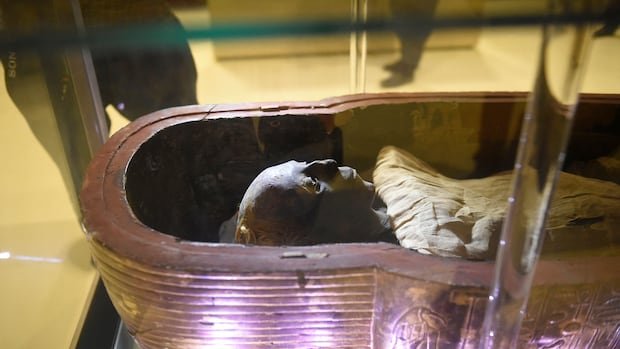

Although not commonly associated with regular delivery packages, researchers have identified a global online market for preserved human remains, which they argue poses potential health risks in a niche hobby. Lead author Kirsty Squires and her team examined 128 web posts from 2015 to 2025 showcasing or advertising the sale of remains from humans and animals in a study published in the International Journal of Cultural Property.
Squires, a bioarchaeology professor at the University of Staffordshire in Stoke-on-Trent, England, noted that mummified heads, hands, and feet were frequently featured in the analyzed posts. The study highlights that mummified body parts may contain dormant microorganisms like bacteria, fungi, and yeast, which if mishandled, could lead to health complications. However, experts suggest that knowledgeable collectors may not face significant risks.
Proper Handling of Mummified Remains
The study revealed visible signs of decay in several online images, primarily attributed to inadequate storage conditions. Unlike museums that maintain controlled temperature and humidity, storing remains improperly in homes or garages exposes them to unregulated environmental factors. Handling such remains without precautions could release hidden fungal spores or bacteria, potentially affecting individuals’ health.
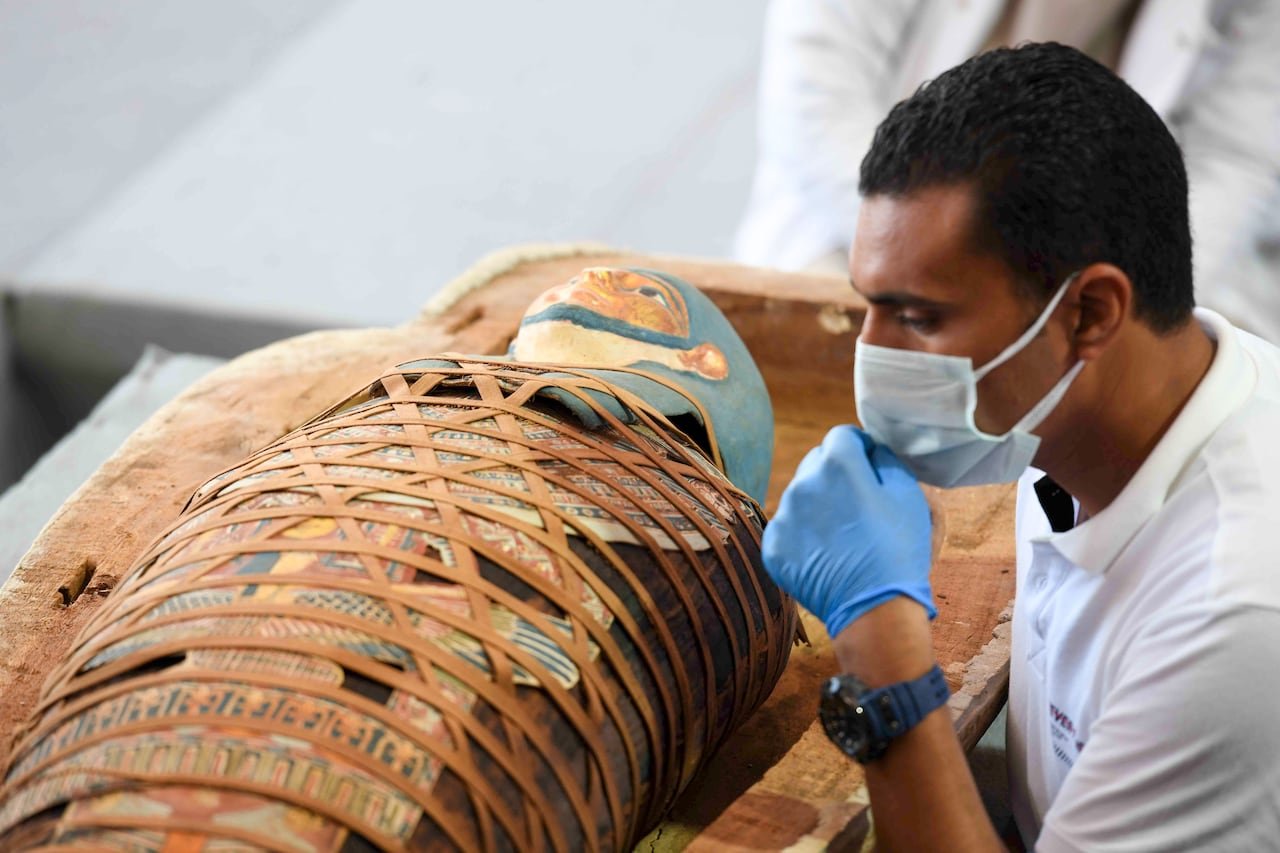
When handling human remains for research, Squires emphasizes the use of protective equipment, contrasting instances where online sellers neglect to use gloves. The presence of airborne microorganisms in mummified tissue, including toxic chemicals like arsenic and mercury from historical embalming practices, poses additional risks, according to the study.
Historical Risks and Concerns
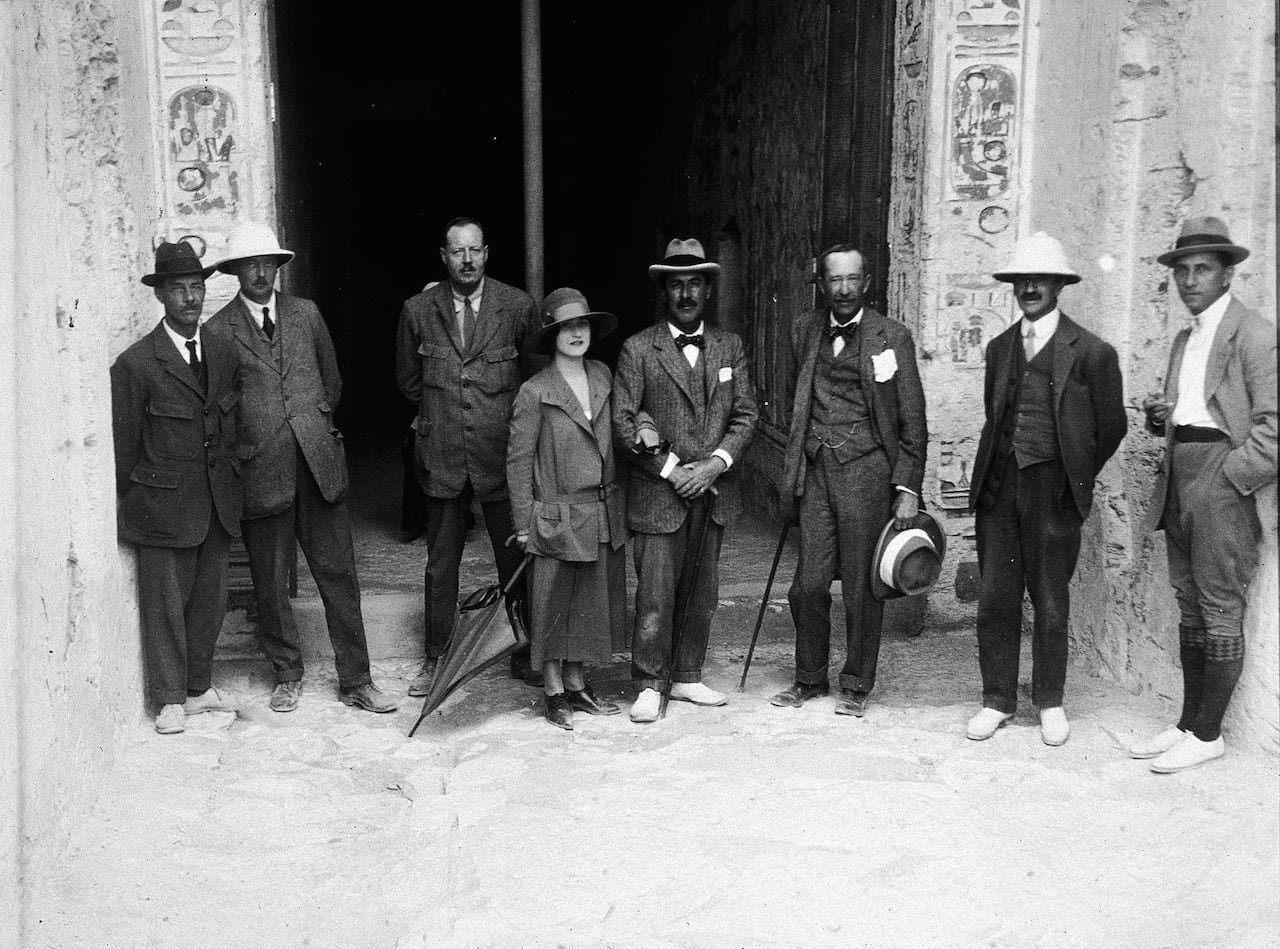
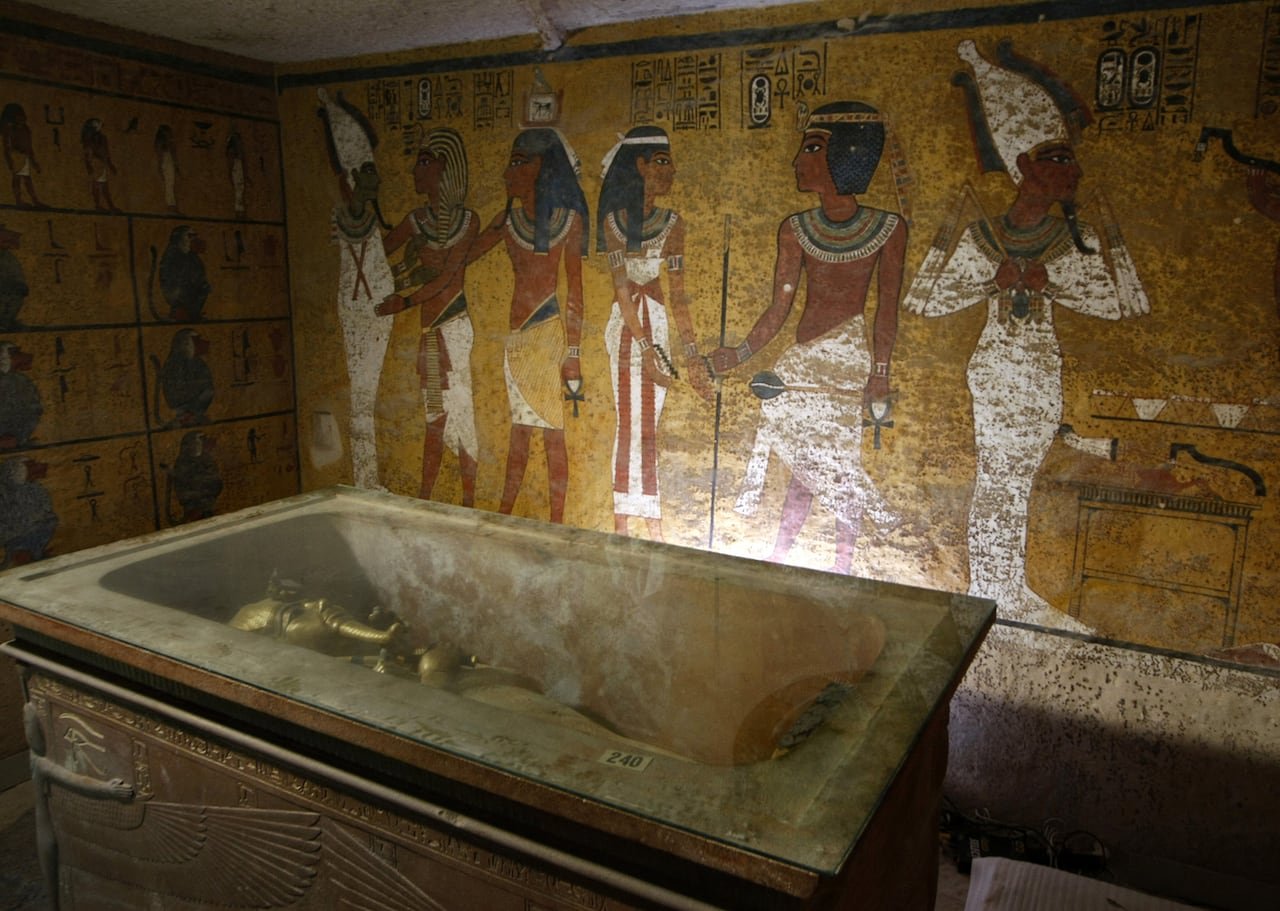
The paper does not report specific cases of individuals falling ill from handling online-sold human remains. However, historical events like the deaths of conservation scientists in 1973 due to inhaling mould spores and the speculated role of fungal spores in Lord Carnarvon’s death in 1923 raise awareness of potential dangers.
James Scott, a professor at the Dalla Lana School of Public Health in Toronto, expresses more concern about the ethical implications of the trade rather than health risks. Scott emphasizes that while any mould presence is undesirable, low exposure levels may pose minimal risks if collectors handle items with precautions.
Insights into Canada’s Market for Human Remains
Among the reviewed posts, 11 originated from Canada, reflecting the presence of individuals engaging in this trade. Shawn Graham, a digital archaeology professor at Carleton University, notes the ease of finding dealers in Canada and the lack of significant regulations on selling and buying human remains.
Canadian authorities like the Border Services Agency and Canada Post have measures in place to address the shipping of human remains, allowing only cremated remains that meet specific shipping requirements. However, private carriers like Purolator and UPS explicitly prohibit the shipment of human remains.