
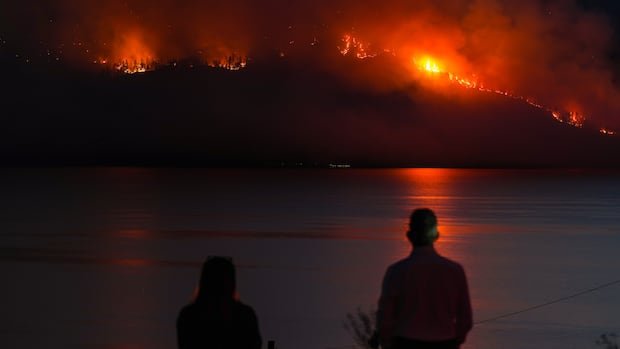

A powerful El Niño event is making a comeback, causing disruptions in global weather patterns, particularly during a time of heightened temperatures across various regions. Recent heatwaves in North America and Europe, leading to numerous heat-related fatalities and ecological damages, coincide with this resurgence of El Niño. While climate scientists assert that El Niño is not solely responsible for these extreme weather events, the interaction between this natural phenomenon and human-induced climate change is likely exacerbating the severity of weather disturbances.
According to NASA’s climate scientist Josh Willis, the impacts of El Niño are expected to be widespread and significant, affecting a vast geographical area. This El Niño event, potentially on par with historically strong occurrences in 2015-16 and 1997-98, has the potential to reshape weather patterns across the globe.
El Niños, occurring every three to seven years, cause a rise in sea surface temperatures along the equatorial Pacific, leading to atmospheric disruptions that result in contrasting weather conditions such as heavy rainfall in dry areas and drought in traditionally wet regions. This ongoing El Niño event, although likely not directly responsible for the current heatwaves and wildfires, is unprecedented in its intensity and raises concerns about its contributions to environmental disasters.
Forecast models predict a warmer winter for Canada and the northern U.S., with specific regions experiencing deviations in precipitation patterns. Countries like Peru and Indonesia are already witnessing the effects of El Niño, with increased risks to fisheries, heavy rains, and prolonged wildfire seasons. The ongoing El Niño is anticipated to have lasting effects well into 2027, further compounded by the existing challenges posed by climate change.
As El Niño continues to unfold, the intersection of this natural phenomenon with a progressively warmer climate presents a complex scenario that defies conventional expectations. Climate scientists emphasize the need for continued research and vigilance in monitoring the evolving impacts of El Niño on global weather patterns and environmental stability.