
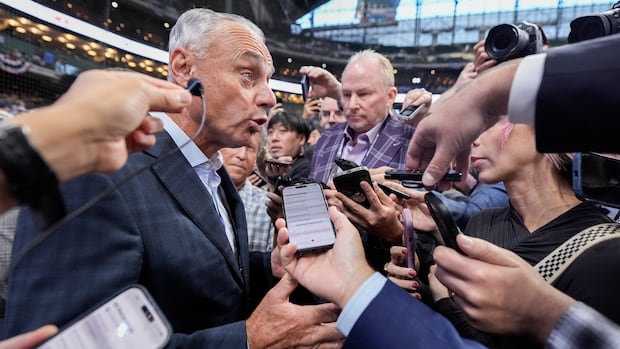

This month, Major League Baseball teams face difficult decisions as they rush to finalize their rosters during an off-season that may be cut short due to ongoing labor disputes.
The collective bargaining agreement for MLB is set to expire on December 1, leading many to anticipate a lockout. Team owners are seeking modifications to the financial structure of the league, aiming to restrict payroll expenditures. This initiative has met with significant resistance from the players.
Both parties seem entrenched in their positions. They have each built substantial financial reserves, and MLB commissioner Rob Manfred has expressed concerns that a prolonged work stoppage may be imminent.
For the time being, the 30 teams in the league have the remainder of November to prepare for the upcoming season as the current agreement approaches its end.
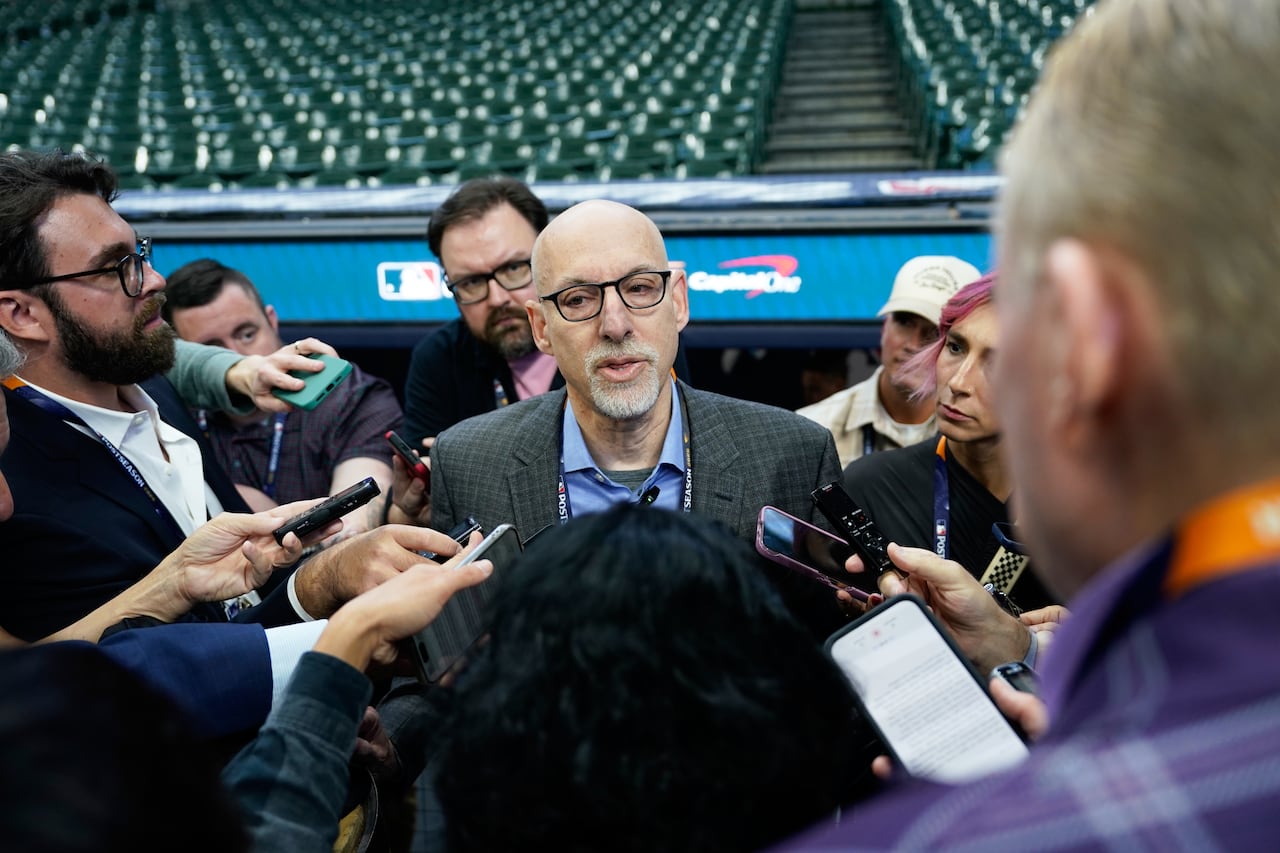
Bruce Meyer, the interim executive director of the Major League Baseball Players Association, has labeled the owners’ demand for a salary cap as a ‘nuclear bomb’ that complicates labor discussions further. (Kayla Wolf/The Associated Press)
While teams will likely have assessed what the future labor agreement could entail, the exact terms will remain unknown until finalized.
Experts with experience in front office operations suggest that teams in this situation must balance their desire for improvement against the potential risks associated with contracts signed now that may have unforeseen implications later.
Dan Duquette, a former executive with three MLB teams, anticipates that franchises may need to moderate their spending strategies due to the prevailing uncertainty.
“I believe teams will tighten their budgets and reassess their key investments for the upcoming season,” he stated in an interview with CBC News.
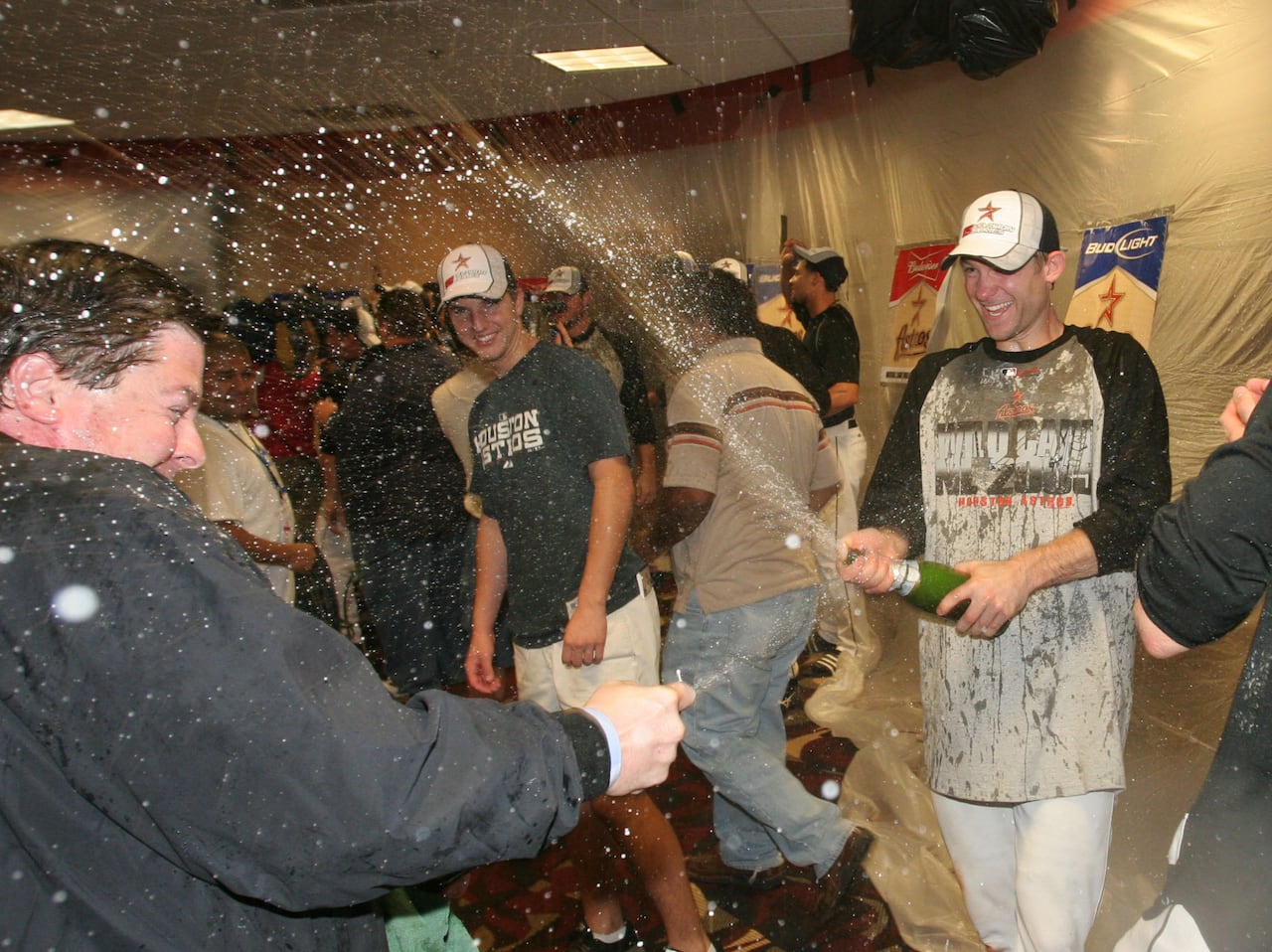
Tim Purpura, left, celebrates being drenched with champagne by Houston Astros infielder Adam Everett on Oct. 2, 2005, the day the team secured a wild card spot. The Astros reached the World Series that year, with Purpura serving as the team’s general manager. (Richard Carson/Reuters)
Another former MLB executive, Tim Purpura, believes teams will still actively seek improvements for their rosters, regardless of whether a new labor agreement is imminent.
“You have to act decisively when opportunities arise,” said Purpura, who held the general manager position with the Houston Astros during several seasons, including in 2005 when the team advanced to the World Series.
Preparing for uncertainty
Even though there is no certainty that team owners will successfully implement a salary cap, the league’s franchises will still consider the possible ramifications of such a cap in the future.
Purpura notes that it is standard practice for teams to plan for various situations as the off-season approaches, including potential labor shortages.
“During those times, we were consistently developing financial models to assess how changes in rules would impact us,” shared Purpura, who was part of the baseball landscape during the 1994 season when a strike — also centered around a proposed salary cap — resulted in the cancellation of the World Series.
This week, owners threw a curveball by suggesting that the implementation of a cap could be postponed until 2028, retracting from an earlier proposal for a cap to be established by 2027.
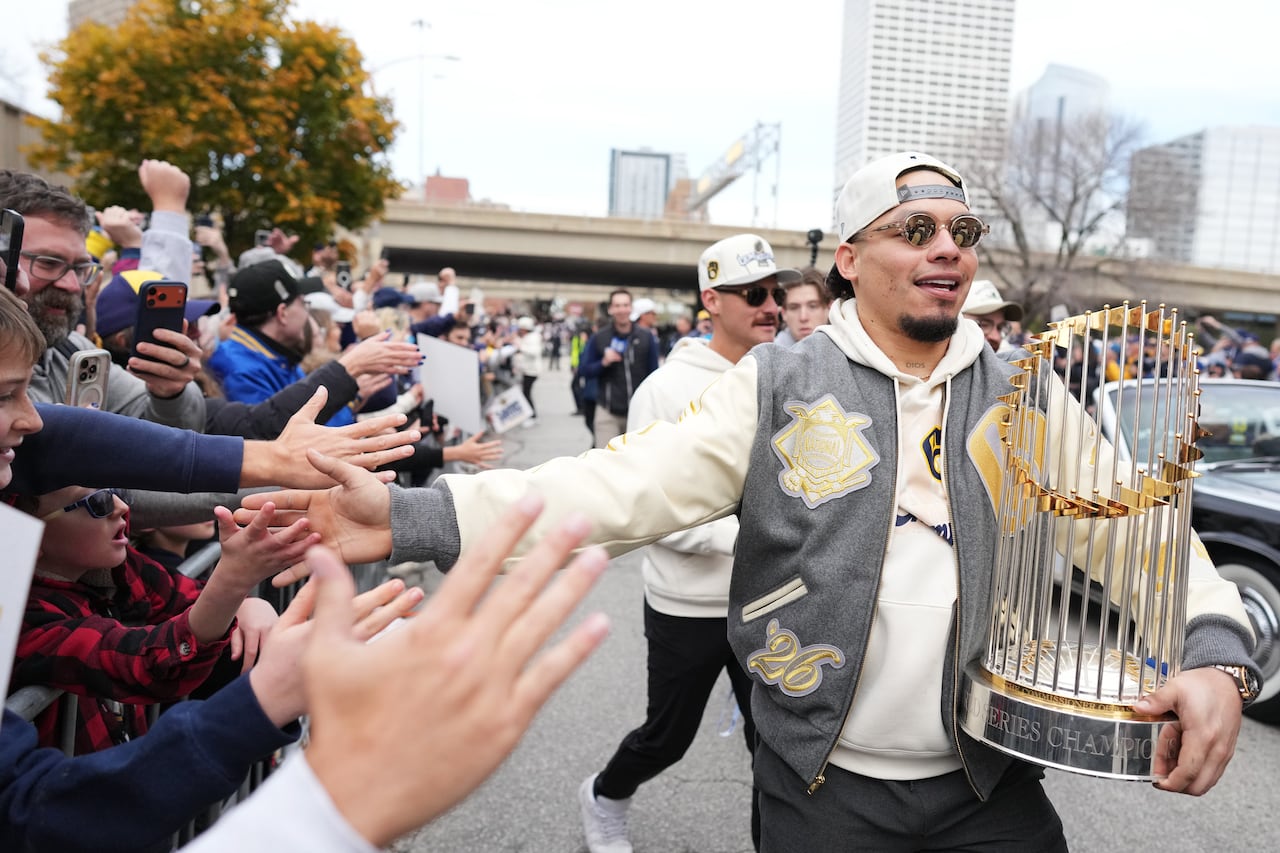
Milwaukee Brewers catcher William Contreras, MVP of the recent World Series, is seen celebrating with fans during the victory parade held on October 30. Milwaukee triumphed over the Tampa Bay Rays to win this year’s World Series. (Patrick McDermott/Getty Images)
According to this altered proposal, teams would be required to limit their spending to a strict cap of $258.2 million US — a figure that would compel eight high-spending MLB teams, including the Toronto Blue Jays, to reduce payroll to comply by 2028.
Additionally, the owners are advocating for a minimum spending requirement of $180.2 million US — which means that 12 MLB teams, including the World Series champion Milwaukee Brewers, would need to increase their payroll to meet this limit.
‘A sensible approach’
Mark Shapiro, president and CEO of the Toronto Blue Jays, has experience with labor negotiations in baseball and asserts that the strategy remains consistent this time — whether a cap is implemented or not.
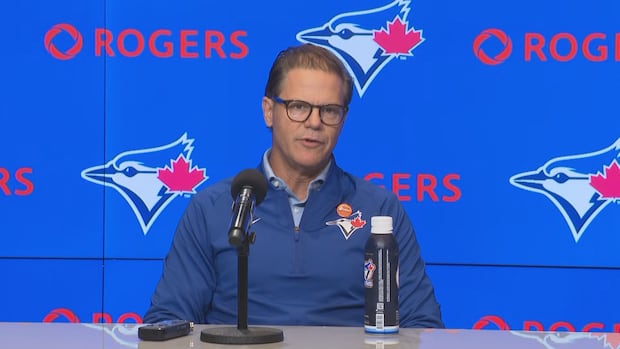
The Toronto Blue Jays’ front office spoke to the media Wednesday after a disappointing season that saw the team unable to clinch a berth in the playoffs. It comes after a historic post-season run last year that saw them make it all the way to game 7 of the World Series. As CBC’s Greg Ross reports, the team president and the general manager tried to explain what went wrong.
“You prepare under the existing system and then adapt as necessary,” he mentioned to the media at the close of the season.
“That is a sensible approach,” noted Duquette, who worked as the general manager of the Montreal Expos in the early ’90s.
However, Duquette pointed out that organizations find it challenging to make long-term commitments — such as player contracts — without clarity regarding the terms of a new labor agreement.
He recalls a moment from the ’90s when he was in discussions with the Boston Red Sox about joining their organization (which he eventually did, stepping away from the Expos to take on the role of general manager for the Red Sox, prior to the 1994 season).
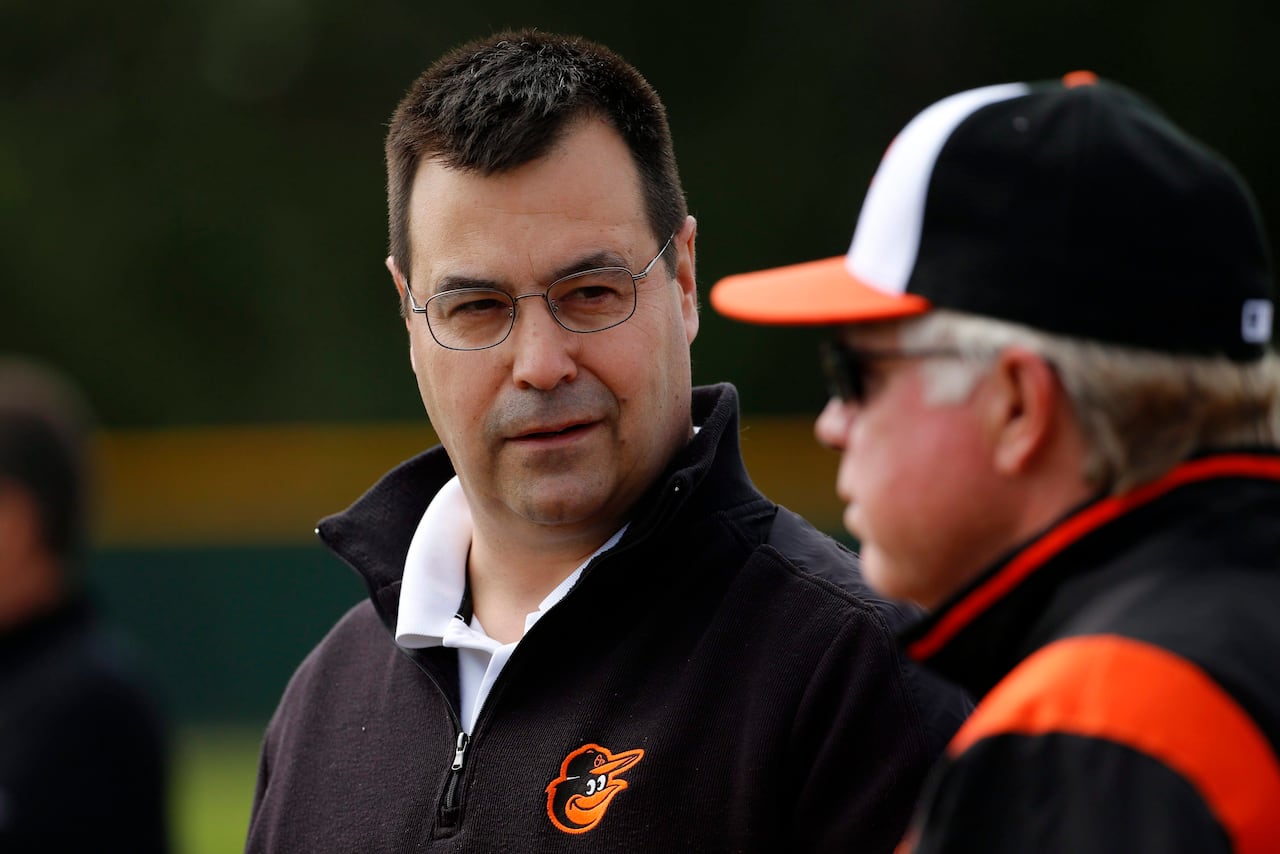
Dan Duquette is seen speaking to then-Baltimore Orioles manager Buck Showalter during spring training in February 2014. Duquette was the Orioles’ executive vice-president for baseball operations. (Gene J. Puskar/The Associated Press)
Boston intended to enhance its ability to recruit international talent, but Duquette mentioned that the organization chose to delay that investment until the new labor agreement was finalized.
“Once they have certainty, they can proceed with investments,” said Duquette, who has also held an executive position with the Baltimore Orioles.
Conversely, any contractual commitments that teams have already signed with players remain in effect, regardless of the new labor agreement’s implementation.
“The commitments that teams have made thus far remain their obligations,” stated Duquette.
Commencement of free agency
The off-season serves as an opportunity for teams to enhance their rosters for the upcoming year — whether through signing free agents, trading player contracts, or making other deals.
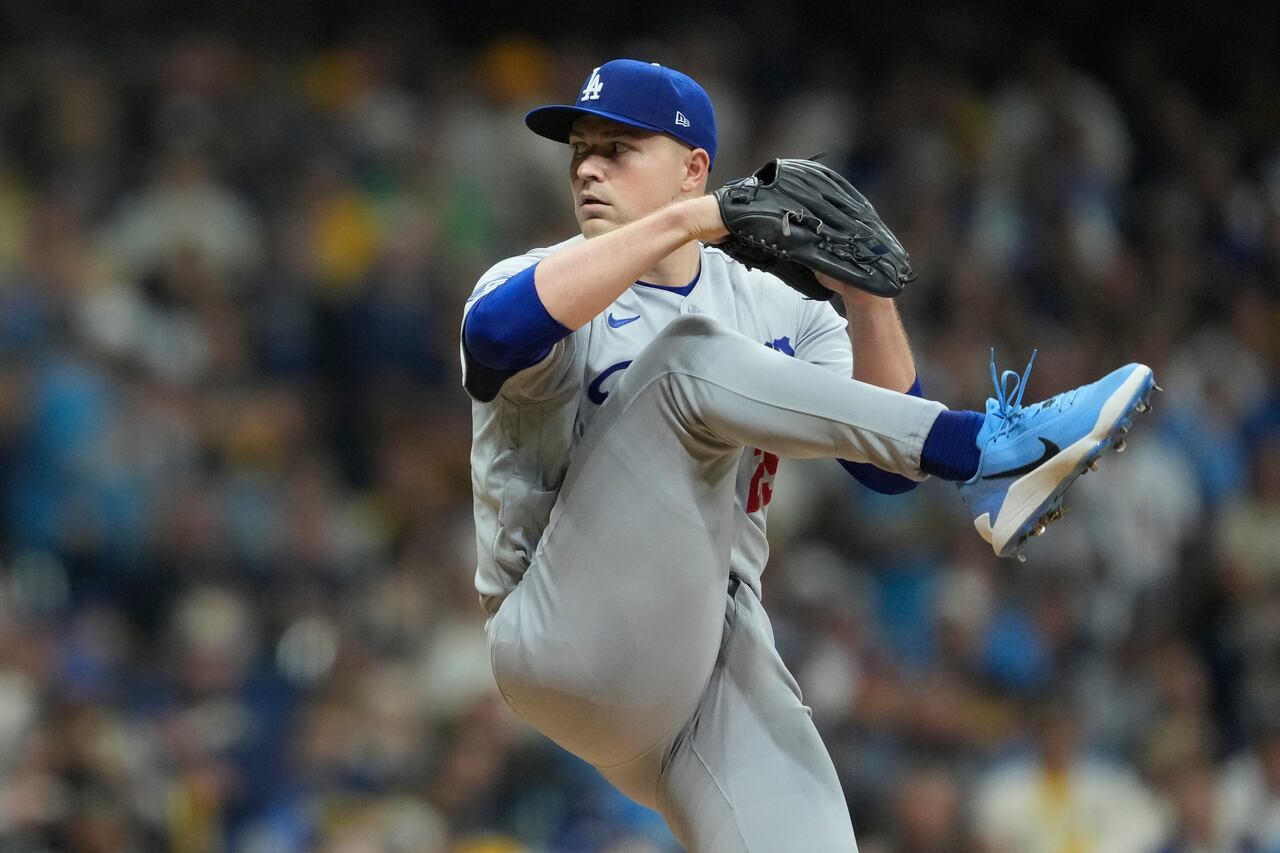
Pitcher Tarik Skubal is depicted delivering a pitch for the Los Angeles Dodgers during Game 1 of the National League Championship Series in October. Skubal is a free agent this off-season and is among the top pitchers available to sign. (Patrick McDermott/Getty Images)
Some analysts speculate that the limited time remaining on the existing MLB labor agreement will motivate the involved parties to finalize arrangements while the rules are still clear.
“There is significant pressure, in my view — on the general managers, agents, and players — to complete transactions,” remarked Jim Bowden, a former general manager for the Cincinnati Reds and the Washington Nationals, on the Foul Territory podcast.
The free agency period for MLB commenced late on Monday. This period allows teams to sign players who are not under contract with any team.
In the initial days of free agency, no significant signings had been reported. This is typical of the pace of baseball’s free agent market, which generally accelerates later in the fall.
However, concerns about a possible lockout did not seem to trigger an immediate surge in signings.