
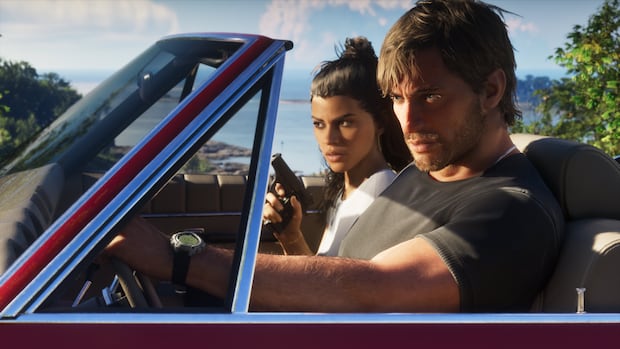

The latest installment of Grand Theft Auto VI reintroduces beloved elements of the series: car theft, aircraft piloting, and evading law enforcement. However, this version also introduces notable modifications.
In the initial stages of the game, rather than engaging with sex workers, players complete tasks for their in-game girlfriend, such as purchasing flowers and repairing a leaky roof. Consequently, a small faction of players and streamers claims that this new version of Grand Theft Auto is excessively progressive.
“The game is offering an option to show respect towards women,” commented Joshua Foust, an assistant professor of public relations at Syracuse University, who examines the relationship between gaming and gender.
“The reaction from certain accounts expressing anger suggests that even the suggestion to treat a woman with respect in a game is seen as offensive and somehow undermines their sense of masculinity.”
This is evidently not what Braden Eric Peters, known online as the looksmaxxing influencer Clavicular, anticipated.
“GTA 6 is ridiculously cucked; half of the missions involve jestermaxing and simping for girls,” Peters, who is currently facing trial for rape, shared on X.
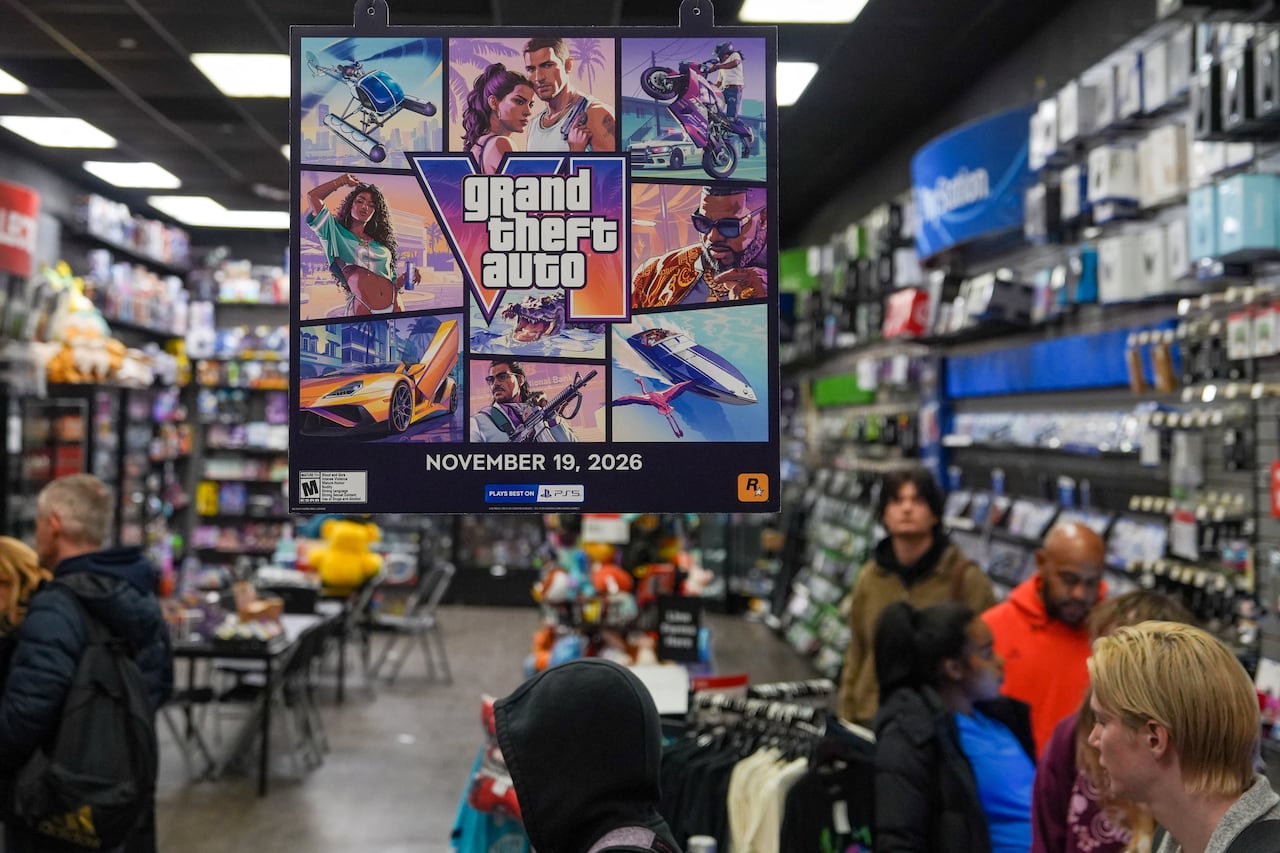
In spite of the backlash, the game achieved $3.79 billion US in retail sales within the first 24 hours of its release. (Ryan Murphy/Getty Images)
Notwithstanding the criticism, the action-adventure game is performing exceptionally well in terms of sales. According to the game’s developer, Rockstar Games, it amassed $3.79 billion US in retail sales within the first 24 hours of its launch, marking it as the largest video game release in history.
“When you observe something like Grand Theft Auto, it’s a prime illustration of how the online reactions from certain demographics do not reflect the actual situation,” stated Alyssa Mercante, a cultural critic and gaming journalist.
Shopping for flowers and home repairs
Players can take on the roles of both Jason Duval and Lucia Caminos, although the majority of the early missions focus on Jason.
During this phase—amidst drug smuggling and car theft—players can engage in what resembles a “honey-do” list, which includes tasks like hanging drywall, painting the bedroom, and repairing the stairs leading to the house.
Players can also buy flowers for Lucia (considering she has just been released from prison), although these activities are entirely optional.
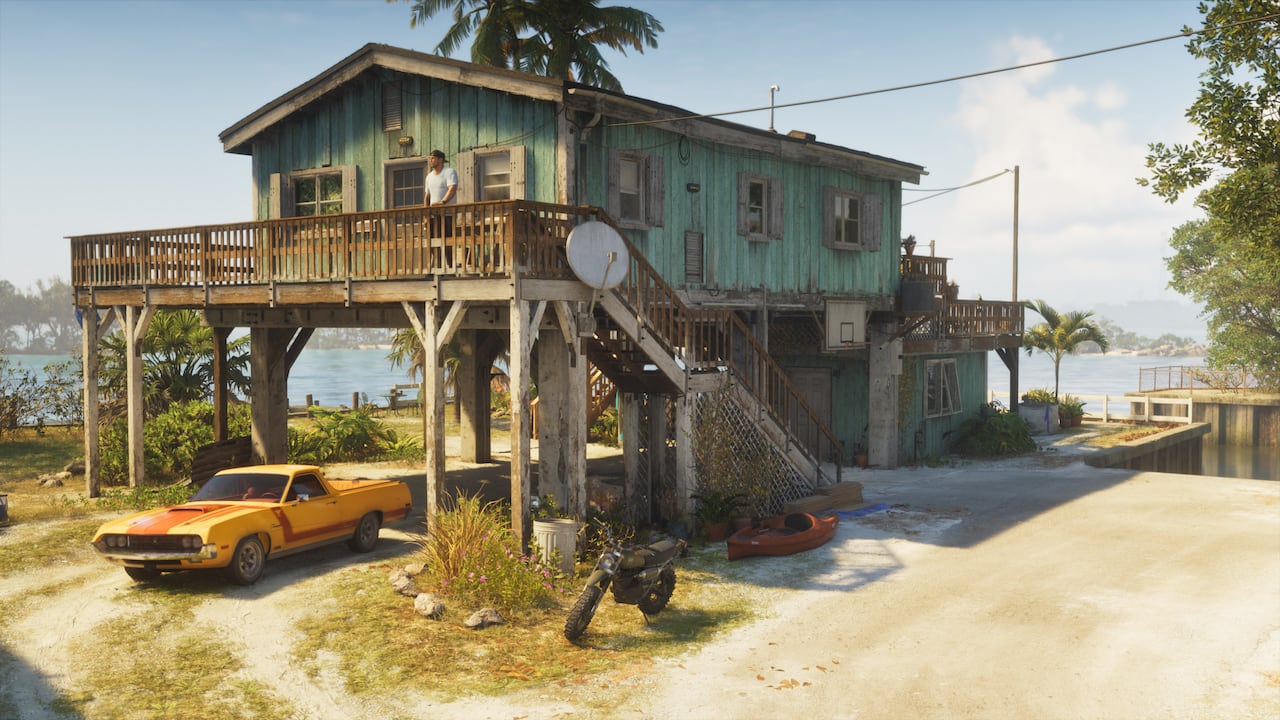
At the game’s outset, players have the chance to work on Jason’s house, as shown here, to strengthen the bond between Jason and Lucia. (Rockstar Games/Take-Two Interactive)
In another early mission, players must unclog a woman’s sink, a task that did not sit well with streamer Zack Hoyt, known as Asmongold.
“Are you serious?” he remarked during a stream. “Why can’t she do this? Why is it my responsibility to do this for her?”
Foust argues that beneath what he describes as “toxic criticism” is a belief among some players that these games are exclusively meant for them and should not cater to anyone else. He notes that this sentiment is particularly prevalent among streamers who engage with these games professionally and expect the content to be customized for them.
“I’m not diagnosing anything, but typically, if you struggle to accept that some content is not created for you, that reflects emotional immaturity,” Foust added.
Profiting from outrage?
Mercante, who is currently authoring a book on rage baiting, suggests that much of this backlash may lack authenticity.
Streamers like Hoyt, who boast millions of followers, generate income from their rants. Furthermore, clips shared on platforms like X are often favored by algorithms, according to her.
“Money is a powerful motivator,” Mercante stated.
She explains that many streamers who profit from this behavior either genuinely come to believe the views they express or adopt them as part of their online persona.

She notes that many followers of streamers like Hoyt may view and even share the clips, yet still purchase the game.
Mercante emphasizes that Grand Theft Auto VI is not underperforming—most significant game releases in recent years have faced scrutiny from similar groups for being deemed overly progressive.
When Assassin’s Creed Shadows launched in 2025, some criticized the presence of a Black lead character. Similarly, the sequel to Ghost of Tsushima—Ghost of Yōtei—encountered backlash for featuring a female protagonist.
“Naturally, this was expected with GTA. Someone will inevitably seek to highlight an example of the ‘wokeification’ of video games or claim that games are being alienated from straight white men,” remarked Mercante.
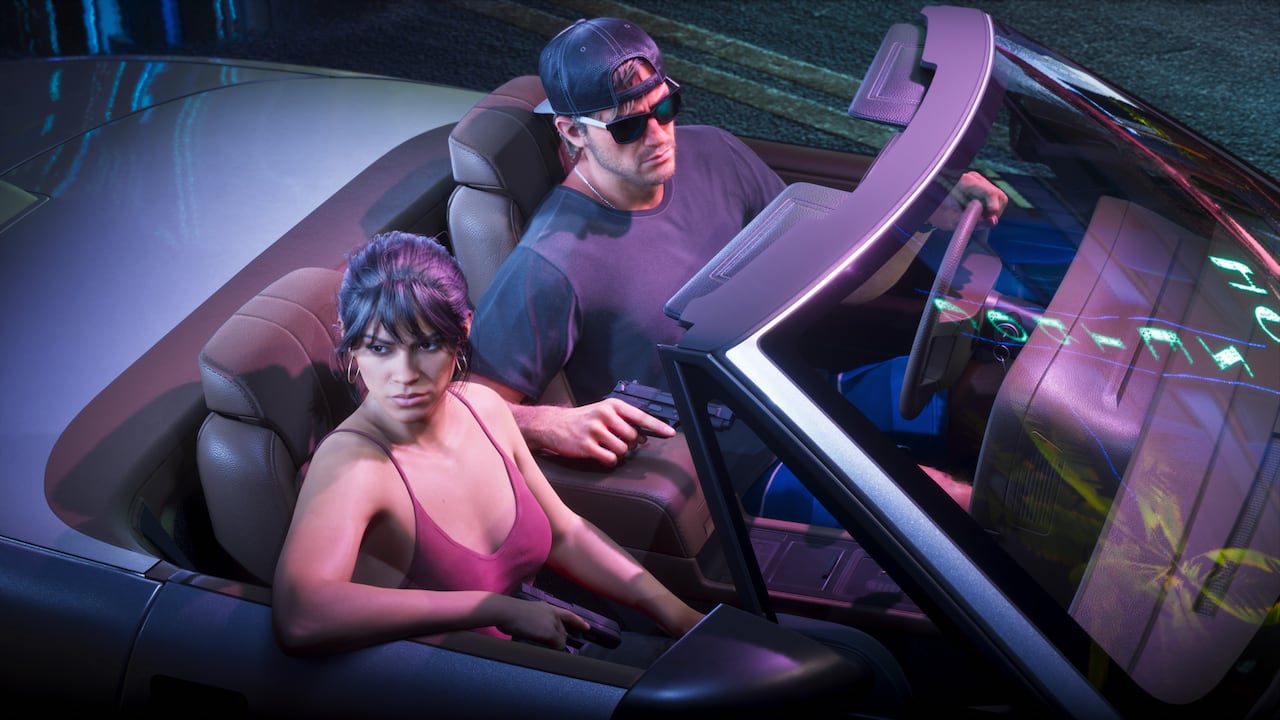
The game emphasizes the dynamic between Jason and Lucia, depicted here, and some streamers are dissatisfied with this focus. (Rockstar Games/Take-Two Interactive)
Overall, Mercante believes that studios are not overly concerned with this form of backlash. While an online movement may affect smaller independent studios, larger publishers such as Take-Two Interactive, which produces Grand Theft Auto VI, are unlikely to let this criticism impact their financial performance.
So, what should you do when you come across a particularly outrageous review? Mercante advises scrutinizing who is behind the post and who stands to benefit from it. If an account possesses a verification checkmark on X, they are likely paying to monetize their posts.
“Recognize that, in many cases, this type of content is designed to manipulate, mislead, and ultimately fill the pockets of the person creating it,” she warned.
“We exist in a world where trust in the media has dwindled, but I assure you, a content creator profiting from their—let’s say—problematic posts is not more credible.”