

Scientists have been debating the warm-blooded nature of dinosaurs for a long time. In a recent study, researchers claim to have determined the body temperature of two T. rex specimens using a chemical analysis method.
Aradhna Tripati, a geochemist and professor at the University of California, Los Angeles, explained the research published in the journal Science Advances. She highlighted the challenges of directly measuring the temperature of a T. rex due to their extinction millions of years ago.
To estimate the body temperature of the extinct dinosaurs, scientists examined the chemical composition of tooth enamel and eggshells. By analyzing the isotopic composition of these hard tissues, they could infer the body temperature of the animals.
Previous studies by UCLA scientists had suggested that certain dinosaurs, like titanosaurs and oviraptors, were warm-blooded. The recent research focused on T. rex specimens, particularly examining the thin tooth enamel to determine body temperature.
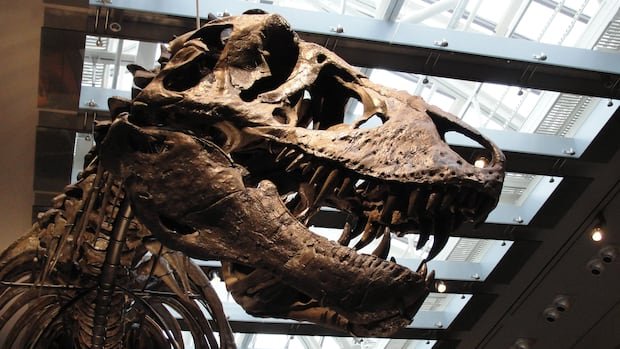
The study involved analyzing tooth enamel samples from a young adult T. rex skeleton called Thomas, displayed at the L.A. County Natural History Museum. The results indicated that T. rex had a body temperature similar to large mammals like elephants and flightless birds such as ostriches.
The findings have implications for understanding the behavior and habitat preferences of T. rex. The study suggests that a warm-blooded T. rex could have inhabited various environments, including the Arctic region, differentiating them from cold-blooded reptiles.
Experts like Anthony Fiorillo, a paleontologist, find the research compelling and believe it sheds light on how dinosaurs adapted to different climates. The study adds valuable insights into the metabolic capabilities and behavioral patterns of T. rex and other dinosaurs.