
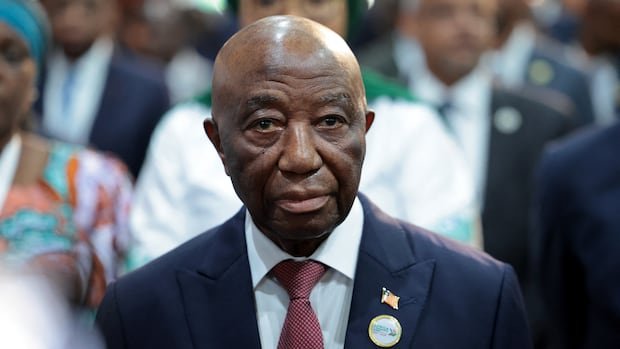

Liberia has agreed to receive a maximum of 1,200 third-country deportees from the United States within the next year, with an initial batch of 20 set to arrive on Thursday, as stated by the government. The Liberian government’s announcement mentioned that the deportees would consist of individuals from African and Western Hemisphere nations who have been granted medical clearance to travel. Specific details regarding the nationalities of the deportees were not disclosed by the U.S. State Department, citing non-disclosure of such information.
Historically, the U.S. has abided by the non-refoulement principle in its immigration laws and international agreements, prohibiting the return of migrants to countries where their human rights, safety, or freedom may be jeopardized on the grounds of race, religion, or nationality. However, since assuming office in January 2025, the administration of U.S. President Donald Trump has negotiated agreements with various African nations and other countries worldwide to deport individuals whom they cannot lawfully send back to their home countries. These agreements have been defended by Washington as legal, with minimal interference from the judiciary despite criticism over the lack of notification provided to deportees.
Legal experts have highlighted that the Trump administration utilizes third-country deportations as a legal workaround, often leading migrants to unfamiliar destinations, compelling them to navigate their way back to their countries of origin. President Joseph Boakai of Liberia was part of a group of West African leaders who visited the White House last year, during which Trump reportedly encouraged them to accept third-country deportees.
Liberia assured on Tuesday that the deportees would be treated as guests, granting them the freedom to depart at their discretion and allowing them to seek asylum within Liberia if needed. The government clarified that the arrangement did not involve any form of compensation from Washington, and Monrovia was not seeking any reimbursement for hosting the deportees.
In a February report, Senate Democrats criticized such agreements as exploitative, noting that deals with several countries had cost American taxpayers millions of dollars. African nations such as the Democratic Republic of Congo, Central African Republic, Cameroon, Ghana, and Sierra Leone have also accepted U.S. third-country deportees.
The deportations form part of the Trump administration’s strategy to reduce the foreign-born population in the U.S., urging unauthorized individuals to self-deport and revoking a significant number of visas from foreign nationals. Recent court rulings have allowed the administration to terminate legal protections for various groups, including Ethiopians, South Sudanese, Myanmar nationals, and Somalis, arguing that the protections were not intended as permanent statuses.
Critics, including the U.S. Chamber of Commerce and the U.S. Conference of Catholic Bishops, have condemned the termination of Temporary Protected Status (TPS) designations, warning of adverse economic impacts and societal challenges amid demographic shifts.