

Five former chairs of a committee advising the federal government on at-risk wildlife have penned an open letter expressing worries about proposed amendments to the Species At Risk Act. They caution that such changes could result in the deliberate extinction of endangered species in Canada. Over 600 species are currently listed under this legislation, and the envisaged modifications would effectively nullify the act’s protective measures, as stated in a recent press release issued by the scientists.
The ex-chairs of the Committee on the Status of Endangered Wildlife in Canada (COSEWIC) dispatched this letter to the government last month. COSEWIC is an independent group that evaluates endangered species and recommends them for inclusion in at-risk species legislation. The decision to make the letter public was motivated by the scientists’ desire for Canadians to avoid any involvement in the deliberate extinction of Canadian wildlife.
The letter coincides with the government’s contemplation of broad environmental regulation changes, including those to the Species At Risk Act, which are designed to expedite the approval and construction of major projects. Specifically, the proposed modifications could eliminate the “jeopardy test,” a crucial assessment required to safeguard species listed under the act and their vital habitats from harm, thereby endangering their survival.
Moreover, the suggested alterations would grant the government the authority to establish “federal economic zones” for pre-approving industrial development and sanctioning pipelines without federal impact assessments. The existing Bill C-5 currently allows for the expedited approval of projects deemed of national interest.
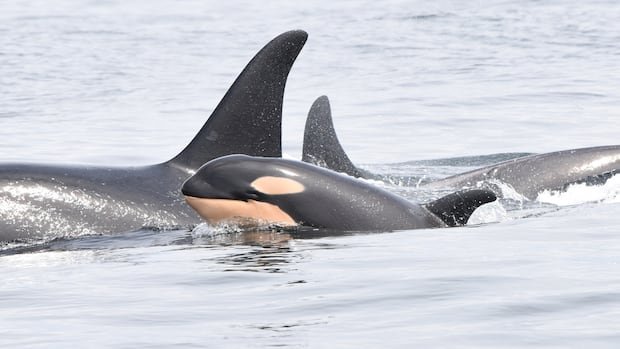
Of particular concern is a new West Coast oil pipeline being considered as a project in the national interest. The pipeline, projected to transport around one million barrels of crude oil daily over approximately 1,250 kilometers, poses a significant threat to various species protected under the act, including the southern resident killer whale and the Chinook salmon, the primary food source of the whales, located in the Salish Sea.
The scientists warn that the proposed pipeline could have devastating effects on the killer whale population and their habitat, emphasizing the potential irreversible consequences of such actions. The scientists have not received an official response from the government as of the time of this writing. The government, in an emailed statement to CBC News, reiterated its commitment to species conservation and meeting obligations under the Species at Risk Act while justifying the proposed changes as necessary for economic growth and diversification amid trade tensions with the U.S.
The Privy Council Office neither confirmed receipt of the open letter nor announced any decisions regarding amendments to the Species At Risk Act. However, a report compiling feedback from Canadians is anticipated before summer concludes. Legislation is expected to follow after Parliament resumes in September. David Green, one of the concerned scientists, urges the government to reconsider, emphasizing the irreversible nature of species loss in Canada.