
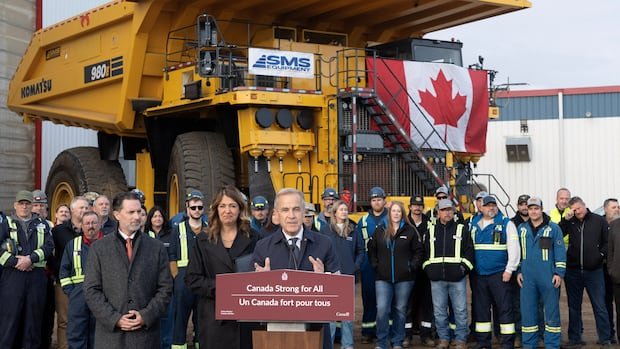

Prime Minister Mark Carney and the Alberta government have declared the West Coast pipeline project, now named the Pacific Link pipeline, as the first project of national interest. This designation places the pipeline on Schedule 1 of the Building Canada Act, streamlining the approval process and environmental assessments to expedite construction.
The federal government’s proactive stance aims to avoid the previous uncertainty faced by project proponents, enabling quicker decision-making and reducing investment risks. The pipeline, anticipated to transport one million barrels of oil daily, is projected to enhance Canada’s GDP by up to $30 billion annually, with significant contributions from the pipeline itself and increased revenues from diversified exports.
Upon completion, the project is expected to generate approximately 140,000 jobs, further boosting economic growth. The estimated project cost ranges between $35.2 billion and $43.7 billion, with shared ownership among the Alberta government, the federally owned Trans Mountain Corporation, and the Pembina Pipeline Corporation.
While the federal and provincial governments hold a majority ownership of 90%, private sector investors are poised to participate in the project. The involvement of private investors is crucial for the success of the pipeline, with potential opportunities for increased private ownership in the future.
The project’s environmental impact and emission reduction strategies have drawn both support and criticism. Business groups like the Canadian Chamber of Commerce commend the government’s regulatory support, emphasizing the benefits of accessing new markets. However, environmental organizations raise concerns about heightened emissions and advocate for cleaner energy solutions to address climate change challenges.
The Pathways Project, a carbon capture and storage initiative, is part of the government’s strategy to reduce emissions intensity and meet climate goals. The project aligns with plans to strengthen Canada’s position in global energy markets by prioritizing low-carbon oil and gas production.
Political leaders have expressed varying opinions on the project, with the NDP criticizing the fast-tracking process and environmental implications, while the Conservatives emphasize the importance of pipeline construction for economic growth. The government’s commitment to balancing economic development with environmental protection remains a contentious issue, sparking debates among different stakeholders.