
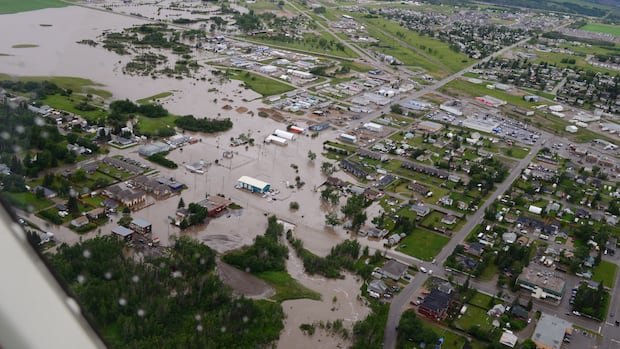

A recent study foresees a warmer and wetter future for northeastern B.C., along with more extreme weather events affecting communities that have faced significant natural disasters in the past decade. By the 2050s, average temperatures in the region could increase by up to three degrees, rising to five degrees by the 2080s. This shift may result in summers resembling the Okanagan and January temperatures feeling more like those typically experienced in March.
The Fraser Basin Council researchers emphasize that these changes will impact various aspects, including infrastructure like roads and water systems, as well as emergency preparedness for floods, wildfires, and evacuations. Jim Vanderwal, a researcher involved in the study, highlighted the community-level concerns about planning for the future rather than engaging in climate change politics.
The study, funded by the federal government, was commissioned by local governments and Indigenous communities in the region, known for its recent extreme weather events. In 2016, severe floods caused by torrential rain severed the region’s only road link to the Lower Mainland. Subsequently, escalating wildfires, such as the historic Donnie Creek fire, have displaced thousands from their homes in various communities.
Vanderwal emphasized the long-lasting impact of such disruptions, emphasizing the need for communities to adapt to the changing climate. The City of Fort St. John has emerged as a shelter for wildfire evacuees, placing additional demands on municipal resources and volunteers.
The city’s chief administrative officer, Milo MacDonald, stressed the city’s commitment to supporting neighboring communities during emergencies. He noted the challenges posed by the increasingly warmer weather, citing the detrimental effects of more frequent freeze-thaw cycles on infrastructure. The report projects a doubling of freeze-thaw days by 2080, urging proactive measures to mitigate these impacts.
Moreover, the study predicts longer growing seasons and more intense heatwaves in northeast B.C. summers, alongside shorter winters with increased rainfall and reduced snowfall in spring and fall. These changes are expected to lead to lower streamflows and heightened drought conditions, as evidenced by last year’s water shortage in Dawson Creek. The city is contemplating new water supply strategies to address these challenges.
Dawson Creek has faced infrastructural damage from floods in recent years, prompting the need for rebuilding efforts. Vanderwal stressed the importance of proactive planning and resilient infrastructure to cope with water scarcity issues anticipated in the future.
To stay informed about developments in Fort St. John and the surrounding region, readers can subscribe to CBC’s Fort St. John Weekly newsletter for curated news and stories from B.C.’s Peace and Northern Rockies region.