
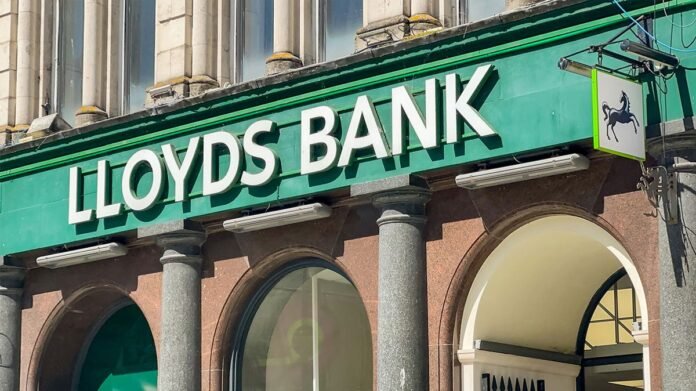

Lloyds Bank customers will no longer be able to deposit cheques at Post Office branches as part of a recent change. This adjustment also affects Halifax and Bank of Scotland, which are under the umbrella of Lloyds Banking Group. Despite the removal of cheque deposit services, customers can still withdraw and deposit cash at Post Office locations.
Approximately 28 million customers of these banks are impacted by the recent removal of cheque deposit services, which occurred last month alongside the announcement of additional bank branch closures. Lloyds Banking Group has confirmed plans to close 95 more bank branches from May 2021 to March 2027, including branches from Lloyds, Halifax, and Bank of Scotland.
Over the past decade, Lloyds Banking Group has shut down 1,470 sites, according to consumer group Which?. To maintain cash access across the country, the cash access network Link has identified 14 new locations for banking hubs. These hubs, operated by staff from various banks on different days, offer services such as cash withdrawals, deposits, and bill payments.
In response to the closure of cheque deposit services at Post Offices, a Lloyds spokesperson mentioned that most customers now prefer using the bank’s app to deposit cheques by taking a photo with their phone. For customers who still require cheque deposit services, the bank has introduced a new freepost cheque service.
While the exact impact on staff due to the closures was not specified, Lloyds assured that affected employees would be offered roles at other sites or within different areas of the business. The ongoing closure plan will see 49 sites shut down by October, following the announcement of 136 closures approximately a year ago. After the completion of the announced closures, Lloyds will have 610 branches remaining.
A Lloyds spokeswoman emphasized the importance of offering customers flexibility in banking, providing various options such as mobile apps, messaging services, community bankers, and access to branches of Lloyds, Halifax, and Bank of Scotland. This move aims to cater to customers’ preferences for diverse banking methods and convenience.