
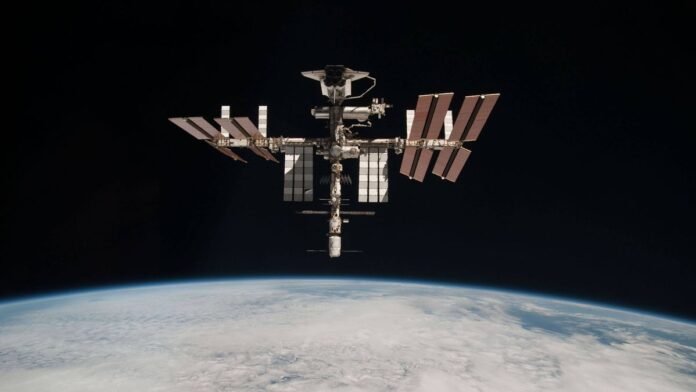

The International Space Station (ISS) stands as a remarkable testament to human innovation and global cooperation, a marvel built through the collaboration of multiple nations pushing beyond the boundaries of Earth. Launched in November 2000, the ISS has now been in operation for over 25 years, demonstrating what can be achieved when countries come together for a shared objective.
Despite its successful tenure, the ISS requires regular upgrades and enhancements to maintain its functionality. Over the years, various improvements have been made to the station, not all of which have been purely technical in nature. Notably, for several years now, the ISS, valued at over £80 billion, has been home to the world’s most advanced coffee maker.
Known as the ISSPresso, this innovative machine, developed by Lavazza Coffee in collaboration with Argotec, is designed to brew coffee in a zero-gravity environment for astronauts residing on the station. With the ability to withstand 400 bars of pressure, the 20kg ISSPresso delivers top-quality espresso into specially designed plastic pouches.
Italian astronaut Luca Parmitano played a significant role in advocating for the ISSPresso, expressing dissatisfaction with the quality of coffee available on the space station after just a week. This led to the development and installation of the ISSPresso, with Italian astronaut Samantha Cristoforetti becoming the first person to enjoy espresso aboard the ISS in 2015.
After completing a two-year mission in space, the device returned to Earth on a SpaceX flight, leaving a lasting legacy as a symbol of human achievement. As the ISS marks its 25th anniversary, NASA highlights its importance as a symbol of global partnership, with 290 individuals from 26 countries and five international partners having visited the station during its continuous human presence.
Looking ahead to the future, there is widespread speculation on what will follow the ISS once its operational lifespan ends in 2030.