
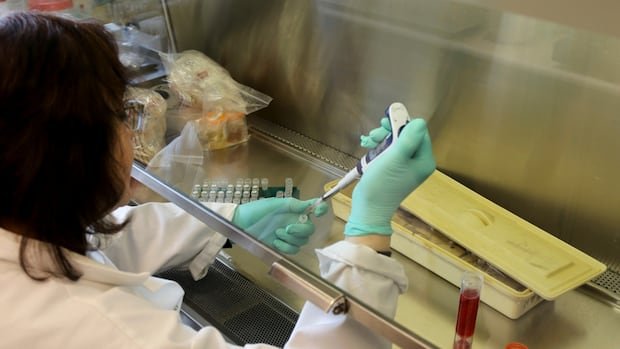

Canada is set to construct a $267 million medical countermeasures laboratory in Winnipeg, a move experts believe is crucial in preparing for future pandemics. However, challenges such as securing long-term funding, staffing, and governance could hinder the success of the facility.
The Canadian government recently awarded a $10.2 million contract for the design of the facility, which is expected to be operational by 2033 adjacent to Winnipeg’s National Microbiology Laboratory (NML). While the laboratory aims to fill a critical testing gap for early-stage vaccines, therapeutics, and diagnostic tools, health experts emphasize the importance of sustained investments in human resources to achieve world-class status.
Dr. Joanne Liu, a physician and professor at McGill University, highlighted the necessity of not just having a building but also the skilled workforce to support its operations effectively. The facility aims to address the preclinical bottleneck by providing space for lab and animal testing within Canada’s research and development pipeline. This dedicated space would allow scientists to conduct preliminary tests on potential vaccines before advancing to clinical trials.
Concerns have been raised about the current limitations at NML, where lab facilities designated for high-risk pathogen research are sometimes repurposed for preclinical trials due to space constraints. Experts emphasize the importance of expanding Canada’s capacity in preclinical research to facilitate the transition of vaccine discoveries into early human safety trials.
Stability in long-term funding is crucial for the success of the project, according to former NML scientist Gary Kobinger. He stressed the importance of committing to ongoing funding to advance research initiatives over the next decade. McGill’s Dr. Liu echoed this sentiment, emphasizing the need for sustained investments in pandemic research even during periods when health threats are not at the forefront.
Notably, concerns have been raised about governance risks and potential red tape if the countermeasures lab is solely government-run. Lessons from past experiences, such as the development of the Ebola vaccine, underscore the importance of effective governance and funding mechanisms. The need for a clear vision and efficient management within the government structure is crucial for the success of such initiatives.
Despite challenges, Canada has made significant investments in strengthening its medical countermeasures capacity, with a focus on expanding preclinical research. The government has emphasized collaborations between public health officials and private industry to streamline research and development efforts. However, ensuring effective coordination, avoiding past mistakes, and maintaining a long-term vision will be key to the success of such initiatives.