
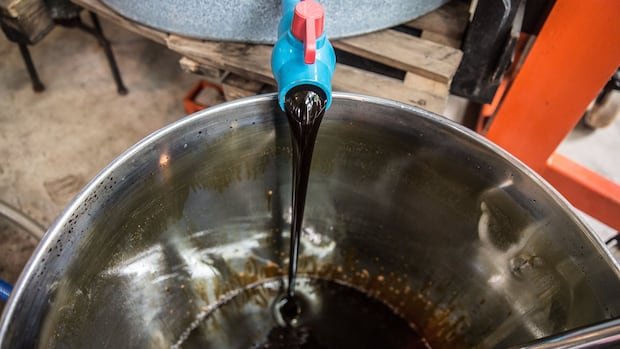

Amidst the ongoing trade tensions between the U.S. and Canada during President Donald Trump’s term, a recent decision to ban Canadian molasses imports has reignited concerns of sugar smuggling and sparked a conflict involving a key refinery in Hamilton, Ontario.
The ban, set to take effect on September 29 alongside restrictions on motorcycles, certain dairy products, and most alcoholic beverages, follows persistent lobbying by American sugar producers to increase tariffs on foreign sugar products. They argue that cheaper imports from other countries are undercutting their market share. Specifically, concerns have been raised about Canadian refineries allegedly importing sugar mixes disguised as pure molasses to bypass sugar tariffs and quotas.
At the International Sweetener Symposium held in Vail, Colorado, discussions centered on halting the influx of diluted Canadian molasses, deemed as a potential circumvention issue by U.S. sugar industry stakeholders and federal authorities. This concern stems from a past case in the 1990s where a company mixed molasses with sugar and water in Ontario to exploit tariff exemptions, prompting a series of legal battles and operational shutdowns.
Sucro Can Sourcing, a prominent player in the industry, faced accusations of impropriety from the sugar lobby, leading to increased scrutiny and regulatory measures. Despite defending their practices and halting U.S. molasses imports post-establishing a new refinery in Hamilton, Sucro continues to face challenges from industry counterparts and regulatory agencies.
The American Sugar Alliance, representing major U.S. sugar entities, supported the molasses import ban, emphasizing the need to enforce trade laws and protect domestic producers. However, critics argue that such protectionist measures can disrupt market dynamics and hinder international trade relationships.
Experts highlight the historical context of sugar trade, where lobbying and tariff manipulations have been common practice. The intricate dynamics of the industry and ongoing trade disputes underscore the complexities of sugar commerce and the far-reaching implications of regulatory interventions.
While the rationale behind the molasses import ban remains unclear, industry observers suggest that political and economic considerations may be driving this decision within the broader context of U.S.-Canada trade relations.