
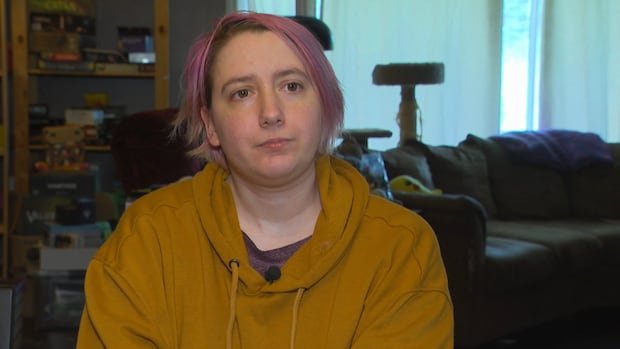

A woman from Nova Scotia expressed regret after contacting the RCMP to report a reckless driver, which led to an officer entering her home without her permission. Robin MacDougall was traveling from Antigonish to Port Hawkesbury on Highway 104 in June to celebrate Father’s Day with her parents when she observed a vehicle in front of her swerving on the road, fluctuating in speed. She dialed 911, and after the call ended, the dispatcher advised her to call again if either she or the erratic driver left the highway, according to MacDougall.
Less than 10 minutes later, before she exited for Port Hawkesbury, MacDougall made another call to inform the dispatcher that the erratic driver was heading towards Cape Breton. She assumed the issue was no longer her concern until she received a call from an RCMP officer while having lunch with her parents. The officer informed her of a misunderstanding, stating that they had been inside her home, leaving MacDougall baffled by the sequence of events.
MacDougall and her partner never locked their back door, allowing the officer to enter the house. Perplexed about the officer’s presence and worried about her cats escaping, MacDougall contacted her friend, Jade Lowe, who was asked to visit the house. Lowe described the officer as flustered and apologetic upon her arrival.
Though MacDougall feels her privacy was breached and is uncertain about how to address similar situations in the future, the head of the RCMP detachment in Antigonish defended her officers’ actions. Staff Sgt. Kimberly Hillier explained that due to a dropped call from MacDougall that could not be reconnected, an officer was dispatched to her residence to ensure someone’s safety, not to investigate an impaired driver.
Hillier cited a 1999 decision by the Supreme Court of Canada, emphasizing that law enforcement must take appropriate measures to assess dropped 911 calls involving emergencies. Disagreements exist between MacDougall and Hillier regarding the dropped call, with MacDougall attributing any missed calls to poor cell service and denying making additional calls to the RCMP.
The incident highlights the challenges of communication in emergencies and the importance of addressing discrepancies to ensure public trust in emergency response procedures.