
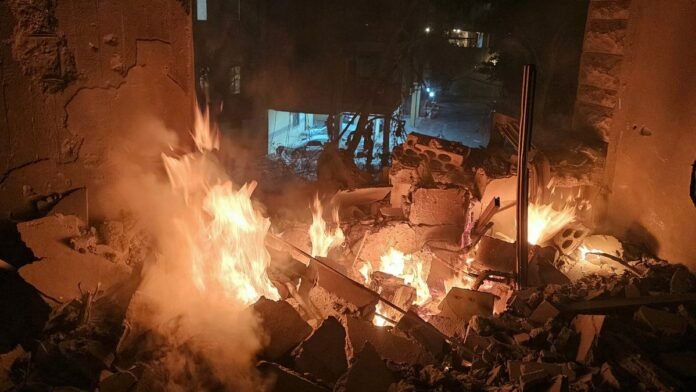

American and Israeli military strategists believed that eliminating Ayatollah Khamenei, Iran’s leader, would significantly weaken Tehran’s military capabilities. However, after three days of intense bombing, reports from US intelligence sources indicate that Tehran’s command and control system remains operational.
This development suggests a potential miscalculation by the US, as Iran seems prepared for a prolonged and bloody conflict. President Donald Trump’s approach, relying on force and coercion, may not yield the desired outcomes, contrasting with previous administrations that heeded intelligence advice.
While Israel remains focused on eventual victory, the US faces political and global concerns. Defense Secretary Pete Hegseth’s assertion of surgical and overwhelming strikes underscores the mission to neutralize Iran’s military assets and prevent its nuclear ambitions. However, Iran’s strategy of attrition aims to exhaust US and Israeli resources, potentially necessitating increased military deployments.
As the conflict escalates, there are fears of economic repercussions, including oil price spikes. Amidst shifting narratives on Iranian leadership, the emergence of a moderate regime could lead to internal strife, with hardline factions complicating the situation further.
The unfolding events highlight the complexities of the situation in the Middle East and raise questions about the long-term implications of the military engagement initiated by President Trump.