
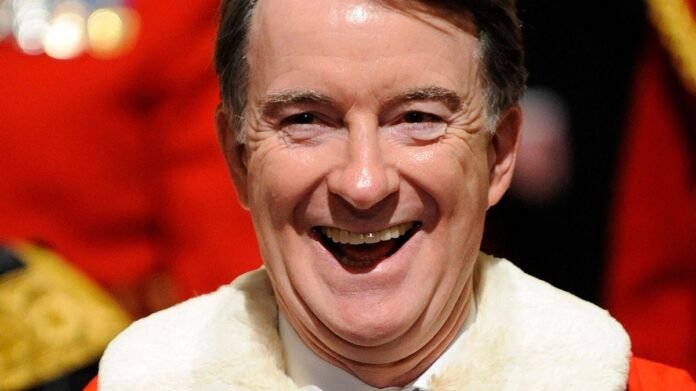

In a recent political showdown, Keir Starmer faced scrutiny for withholding key documents related to Peter Mandelson’s controversial Washington appointment during Wednesday’s PMQs. The excuse of “national security” was repeatedly used to shield sensitive emails from public scrutiny, sparking outrage among Labour MPs. Eventually, pressure forced Starmer to backtrack, but a sudden announcement citing potential interference with a police investigation delayed the release of the documents, highlighting a recurring pattern of protecting the powerful.
The double standard in invoking “national interest” was starkly evident, as ordinary individuals facing similar allegations would likely be subject to immediate investigation. The disparity in treatment becomes more glaring when considering the shield of secrecy surrounding certain high-profile figures like Andrew Mountbatten-Windsor. The veil of protection extends even to living royals, with government files related to them remaining confidential for over a century, obstructing public access to crucial information.
Calls for transparency and accountability have intensified, underscoring the need for robust legislation like the Hillsborough Law to ensure that public officials are held to a higher standard. The Epstein scandal has underscored the urgency for such measures, exposing the flaws in the current system that allow for evasion of accountability under the guise of national security concerns. As debates continue, the imperative for truth and justice remains paramount, signaling a demand for a more equitable and transparent governance framework.