
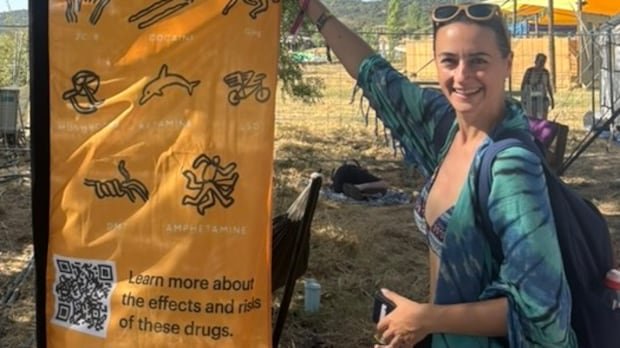

For many years, summer music festivals have been popular venues for individuals to engage in psychedelic and other drug use. A team of researchers is currently exploring the implementation of harm reduction strategies at these events to extract valuable insights.
Erika Dyck, a history professor at the University of Saskatchewan and a distinguished Canada Research Chair in the history of health and social justice, has dedicated the past two decades to studying psychedelics. She highlighted that music festivals, being environments where such substances are frequently consumed, often serve as platforms for deploying harm reduction measures.
Kenneth Tupper, an adjunct professor at the School of Population and Public Health at the University of British Columbia, is collaborating on this research initiative. He noted that drug checking initiatives initially took root in Canada through music festivals, particularly amid the toxic drug crisis response in British Columbia around 2016.
The British Columbia Centre on Substance Use introduced a portable FTIR spectrometer in approximately 2017 to conduct drug testing at festivals such as Shambhala and Bass Coast. Zandra Kaszas, the artistic director of the Regina Exchange Folk Festival, emphasized the importance of prioritizing harm reduction and safety measures during the festival’s inaugural edition.
In addition to standard safety protocols like security and hydration stations, the festival partnered with the Nēwo Yōtina Friendship Centre (NYFC) to provide a naloxone station for potential overdose emergencies. Tupper emphasized the significance of drug testing services in offering individuals certainty before making decisions about drug use, underscoring the potential life-saving benefits of counseling to assist individuals in navigating their experiences.
The research project, led by Dyck, seeks to document and preserve the harm reduction strategies deployed at festivals to contribute to a comprehensive archive of these practices for future reference and discussions. Dyck emphasized the importance of integrating these experiences into ongoing conversations surrounding harm reduction efforts.