
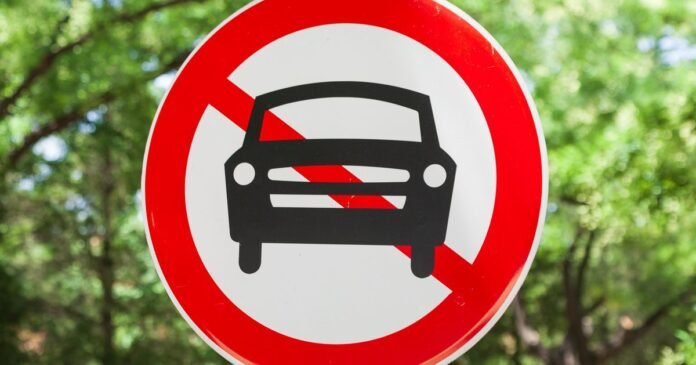

Motorists will now be subject to fines when entering specific zones within towns and cities as part of a new initiative set to commence later in the year. Oxford is slated to introduce new ‘filters’ that will penalize drivers for accessing certain areas, with potential plans to expand the program nationwide.
These ‘filters’ will function similarly to bus lanes, utilizing ANPR cameras to identify license plates and issue fines to violators. To navigate these zones without penalties, most drivers will need to obtain a permit, granting them access through the filters for up to 100 days annually.
The regulations are scheduled to take effect in August this year.
Greg Smith, shadow transport minister, expressed concerns to The Telegraph, stating, “This paves the way for a nationwide implementation. Labour has endorsed the authority of councils like Oxfordshire to regulate residents’ lifestyles, movements, and driving habits through the use of cameras and fines supported by DVLA data.
“While Oxford serves as the pilot program, this represents Labour’s blueprint for the entire country.”
Duncan White, director of the Alliance of British Drivers, criticized the initiative, likening it to a restriction on civil liberties and drawing parallels with historical regimes. He remarked, “The concept of the 15-minute city implies a scenario where individuals may need to acquire an internal passport to visit relatives. From a civil liberties perspective, it is illogical. Operationally, it is peculiar.”
Initially dubbed a ’15-minute-city,’ the Oxford scheme aims to ensure that by 2040, all essential services are within a 15-minute walk from residents’ homes. The term ‘banned’ from traveling further than 15 minutes away was discarded due to its connotations.
Oxford City Council and Oxfordshire County Council emphasized that no physical barriers will be erected, allowing unrestricted movement for individuals. In a joint statement, they clarified, “Residents will retain the freedom to drive to any part of the city at all times. However, there may be alternate routes to consider during specific hours, such as utilizing the ring road if opting to travel by car.
“These proposed changes are motivated by the prolonged congestion Oxford has faced for years, adversely affecting both the economy and the environment while undermining the bus network’s sustainability.
“Our goal is to reduce traffic congestion, enhance bus efficiency, and promote safer and more enjoyable cycling and walking experiences.”
Buses and taxis will have unrestricted passage through the traffic filters, while pedestrians and cyclists can navigate through them at all times. Exemptions and permits will be available for blue badge holders, emergency services, healthcare personnel, and both professional and non-professional caregivers. Patients requiring frequent hospital visits will also qualify for driving through the filters.
</p