
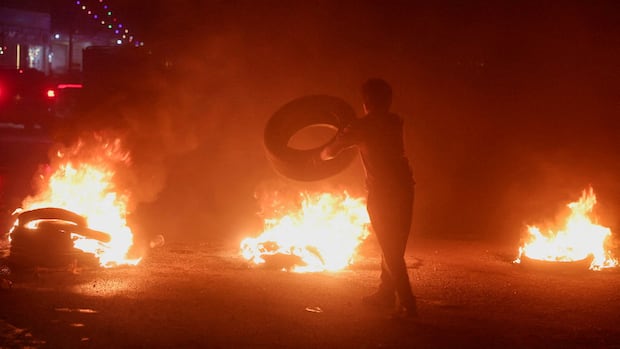

On Wednesday, numerous oil tanker trucks found themselves immobilized in Syria, representing a recent instance of global protests largely driven by escalating fuel costs.
While the political contexts differ for each case, the truck blockade illustrated above, located near Tal Tamr in Syria, is closely linked to a strategy aimed at reining in previously autonomous Kurdish institutions under the authority of the central government.
However, in countries as distant as Guatemala and the Philippines, rising global fuel prices have significantly contributed to increasing civil unrest.
On Wednesday, oil prices saw a slight decrease, yet remained above $100 US, primarily due to disruptions in Middle Eastern oil supplies. Prior to the U.S. and Israel’s offensive against Iran on February 28, oil prices fluctuated between $60 and $70 per barrel, depending on the crude variety. Diesel, which encounters more refining challenges and is also impacted by the Russia-Ukraine conflict, has surged even higher, increasing approximately 60 percent since late February.
Below is a visual overview of some protests that have occurred this month.
On Sunday, the Syrian government raised gasoline prices by over 25 percent and diesel by 40 percent, blaming the hikes on increasing global fuel costs due to the U.S.-Iran conflict and ongoing repairs at a coastal refinery. Consequently, protests erupted in multiple locations, including the highway connecting Turkey to Syria’s largest city, Aleppo.
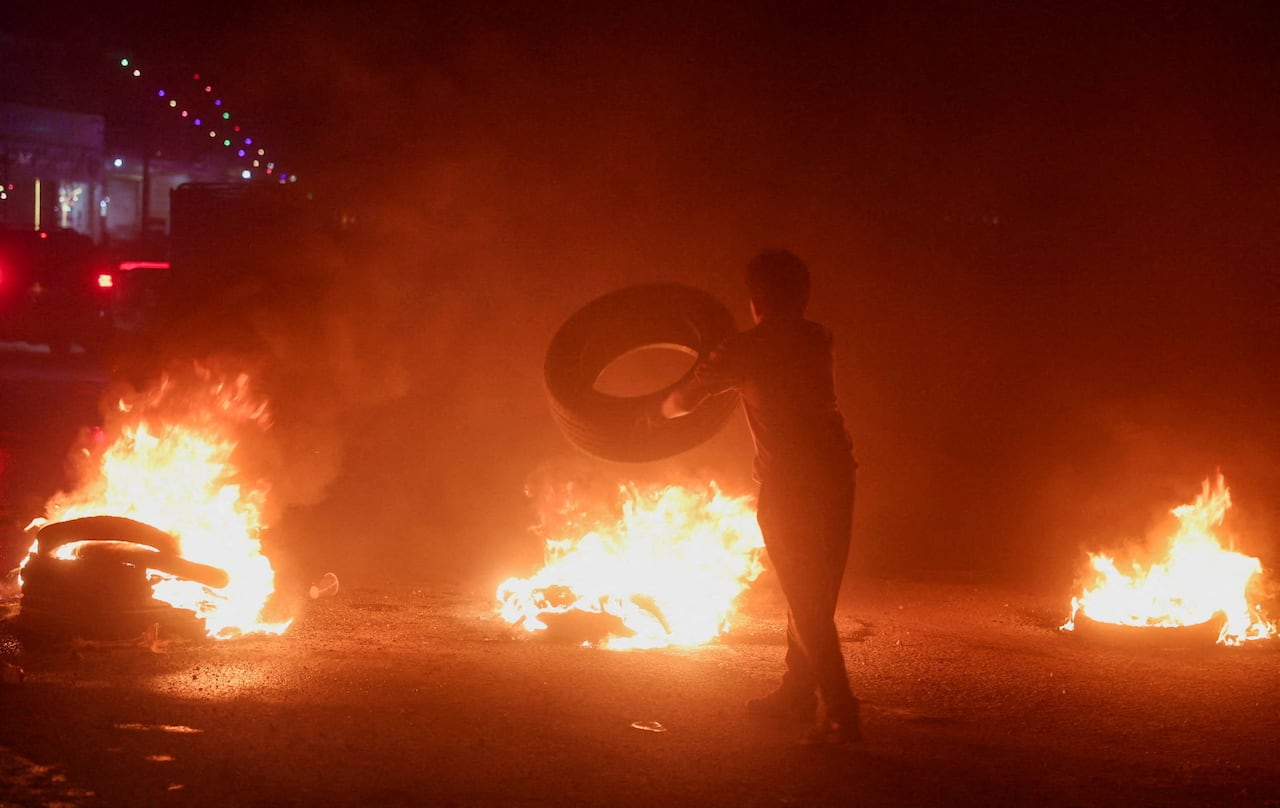
A protester in Aleppo, Syria, ignites tires on a highway on Sept. 13 to express dissatisfaction over the fuel price increases. (Mahmoud Hassano/Reuters)
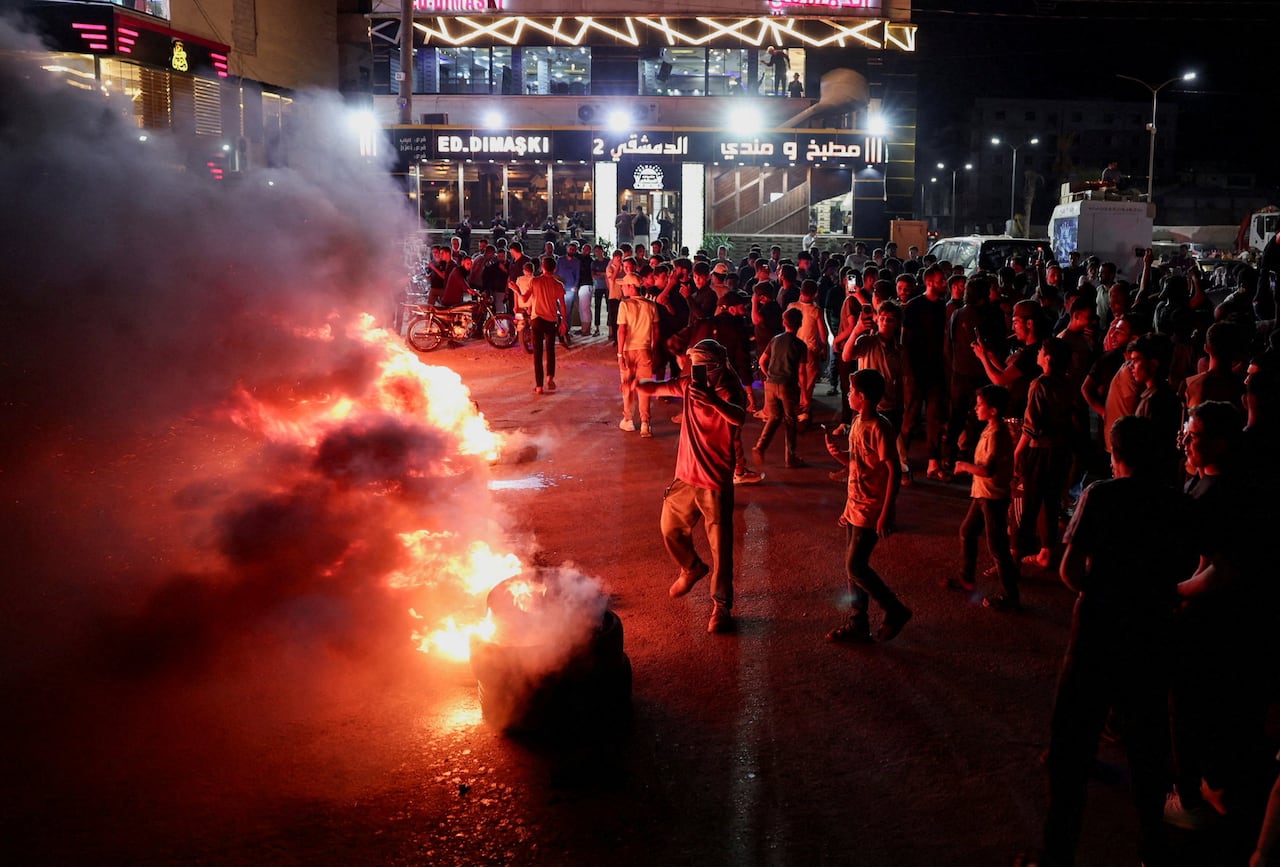
Demonstrators burn tires and obstruct the highway connecting Aleppo and Turkey on Sept. 13. (Mahmoud Hassano/Reuters)
In Guatemala, protests against surging fuel prices have involved transport workers, taxi drivers, and Indigenous communities.
The U.S. non-profit ACLED (Armed Conflict Location and Event Data) reported that by September 4, there had been 40 protests across 27 cities. Alongside the increase in fuel prices due to the Middle Eastern conflict, the nation is grappling with droughts linked to El Niño.
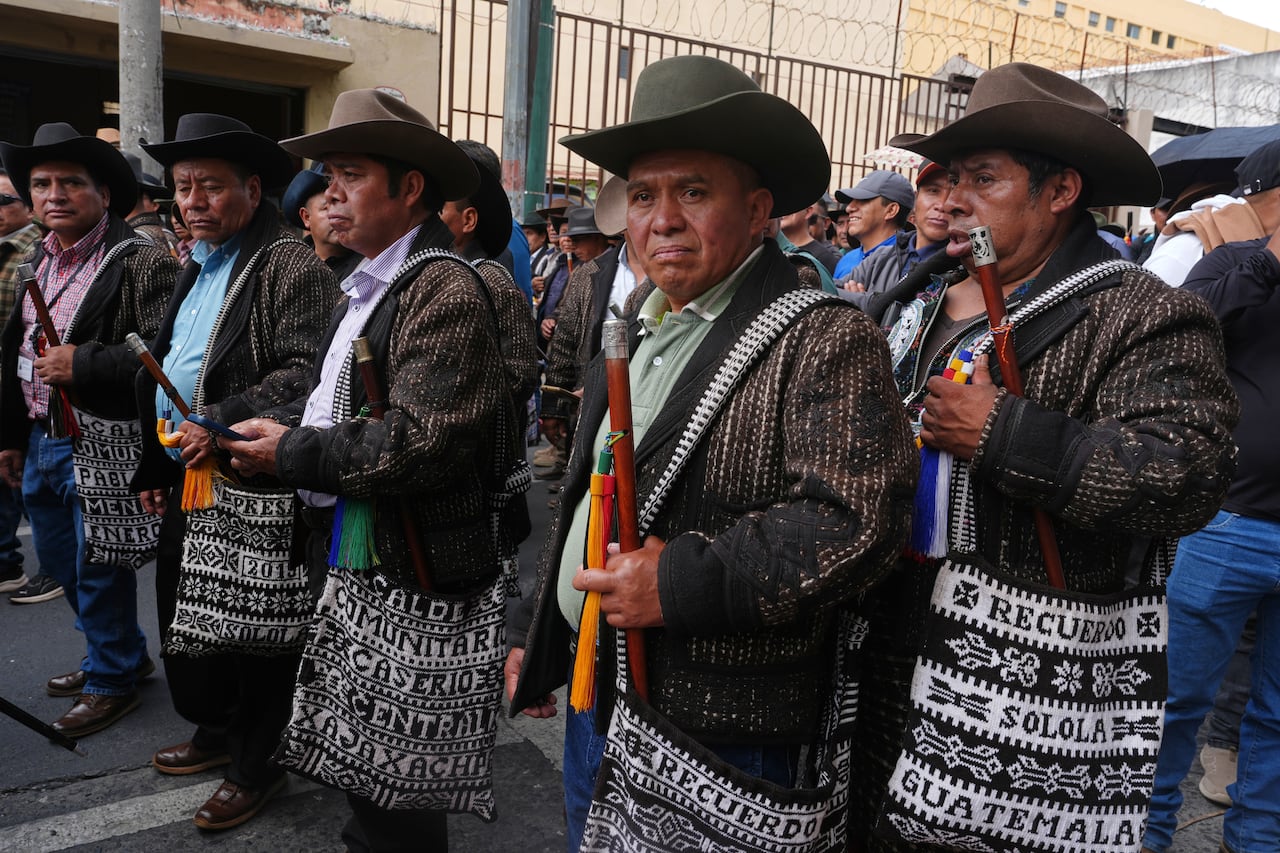
Indigenous Guatemalans march towards congress in Guatemala City on Sept. 8 to protest against rising fuel prices and to call for government subsidies. (Moises Castillo/The Associated Press)
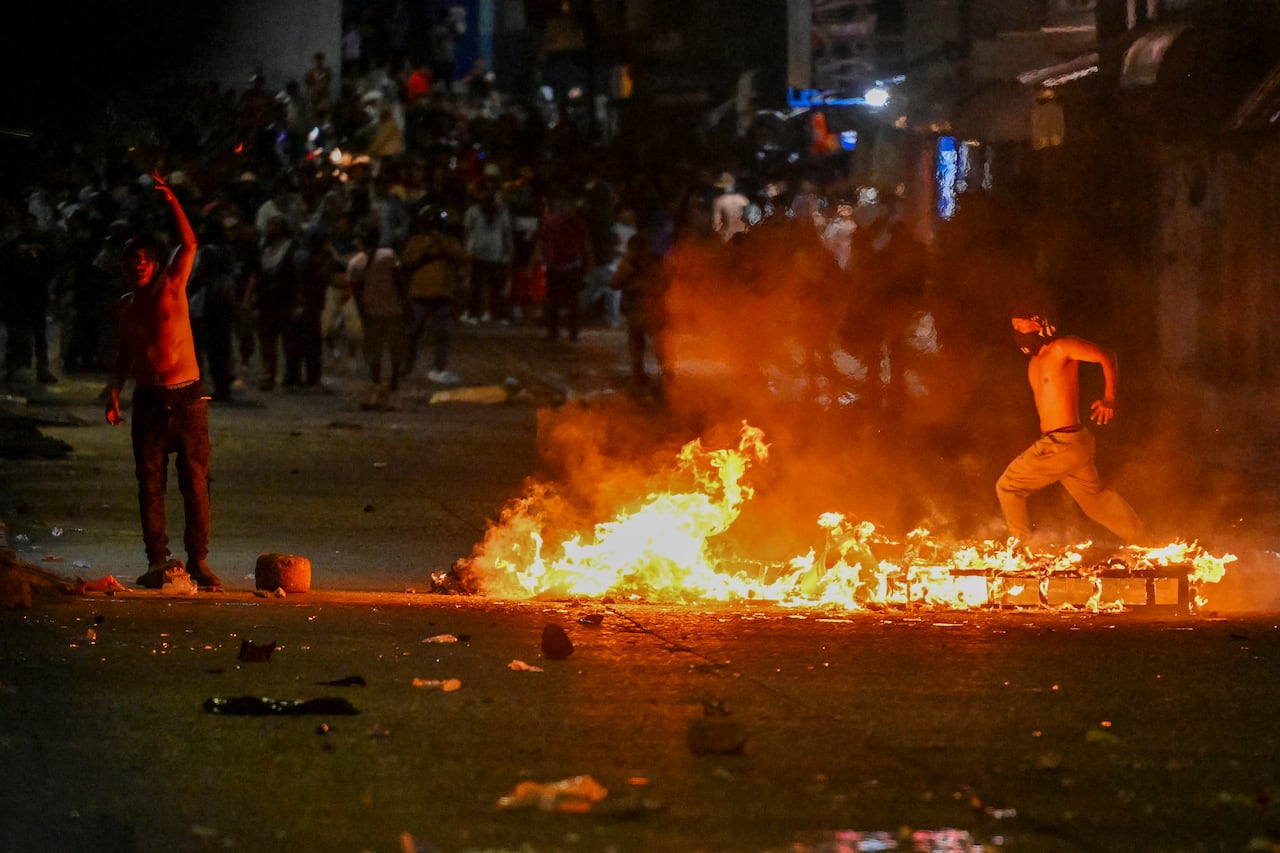
Protesters ignite a roadblock in Villa Nueva, on the outskirts of Guatemala City, on Sept. 11 amid fuel price protests. (Johan Ordonez/AFP/Getty Images)
Last week, tensions escalated as organized truckers and various groups obstructed roads, set vehicles ablaze, clashed with police, and caused damage in several regions, particularly in the Guatemalan capital.
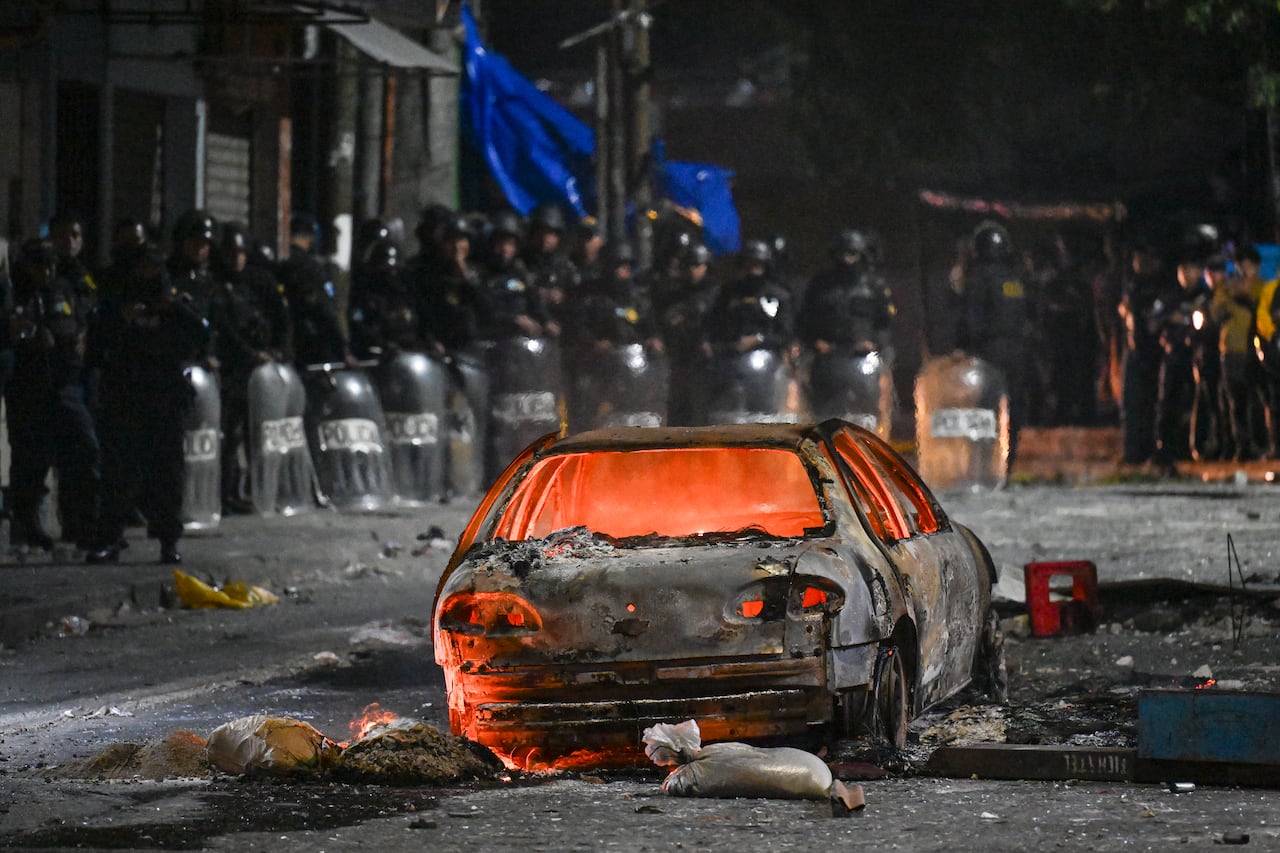
A burning vehicle is visible alongside a roadblock in the Santa Isabel neighborhood of Villa Nueva on Sept. 11, reflecting the protests over rising fuel prices. (Johan Ordonez/AFP/Getty Images)
In Bolivia, the combination of fuel shortages and increasing prices has sparked protests and roadblocks this year, led by labor unions, Indigenous groups, and supporters of former leftist president Evo Morales.
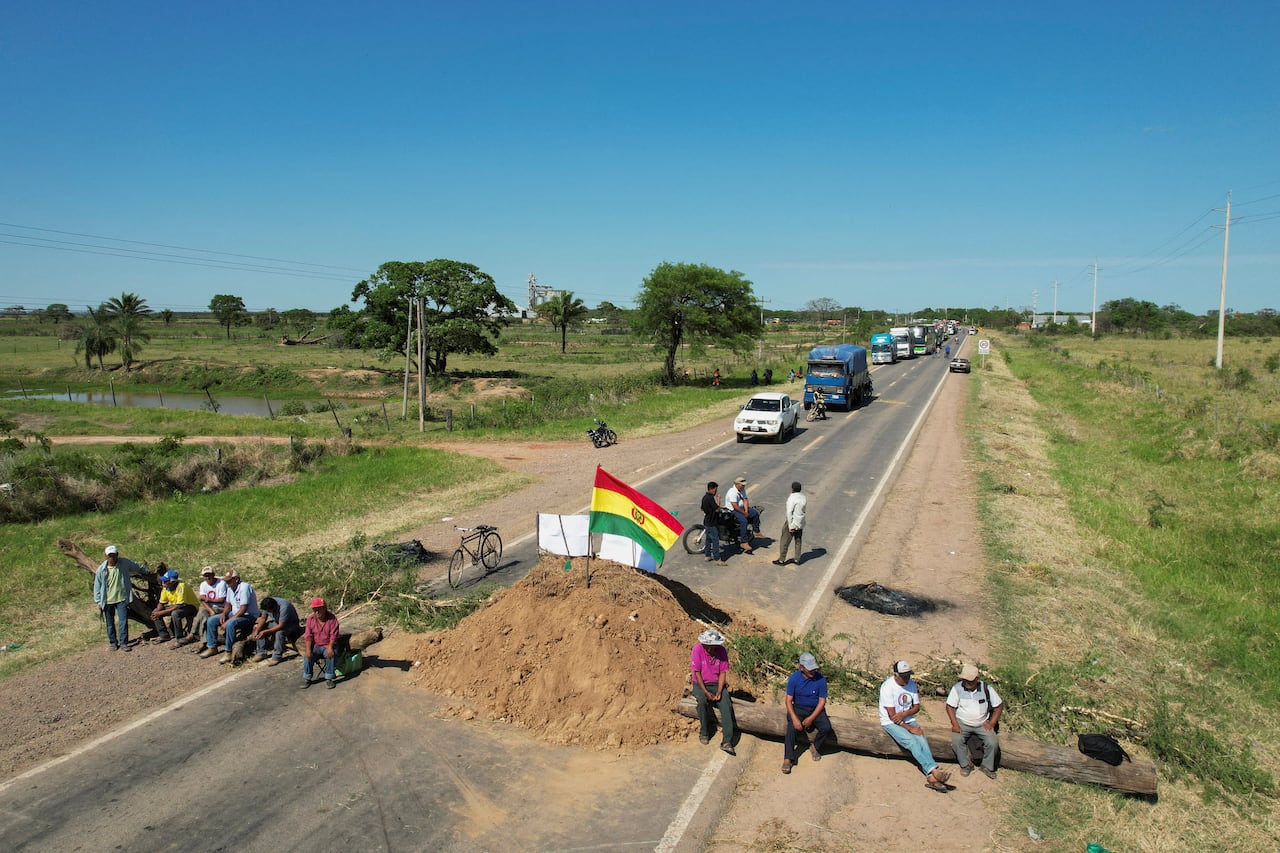
Aerial view of farm workers maintaining a road blockade over diesel pricing in San Julián, Bolivia, on Sept. 2. (Ipa Ibanez/Reuters)
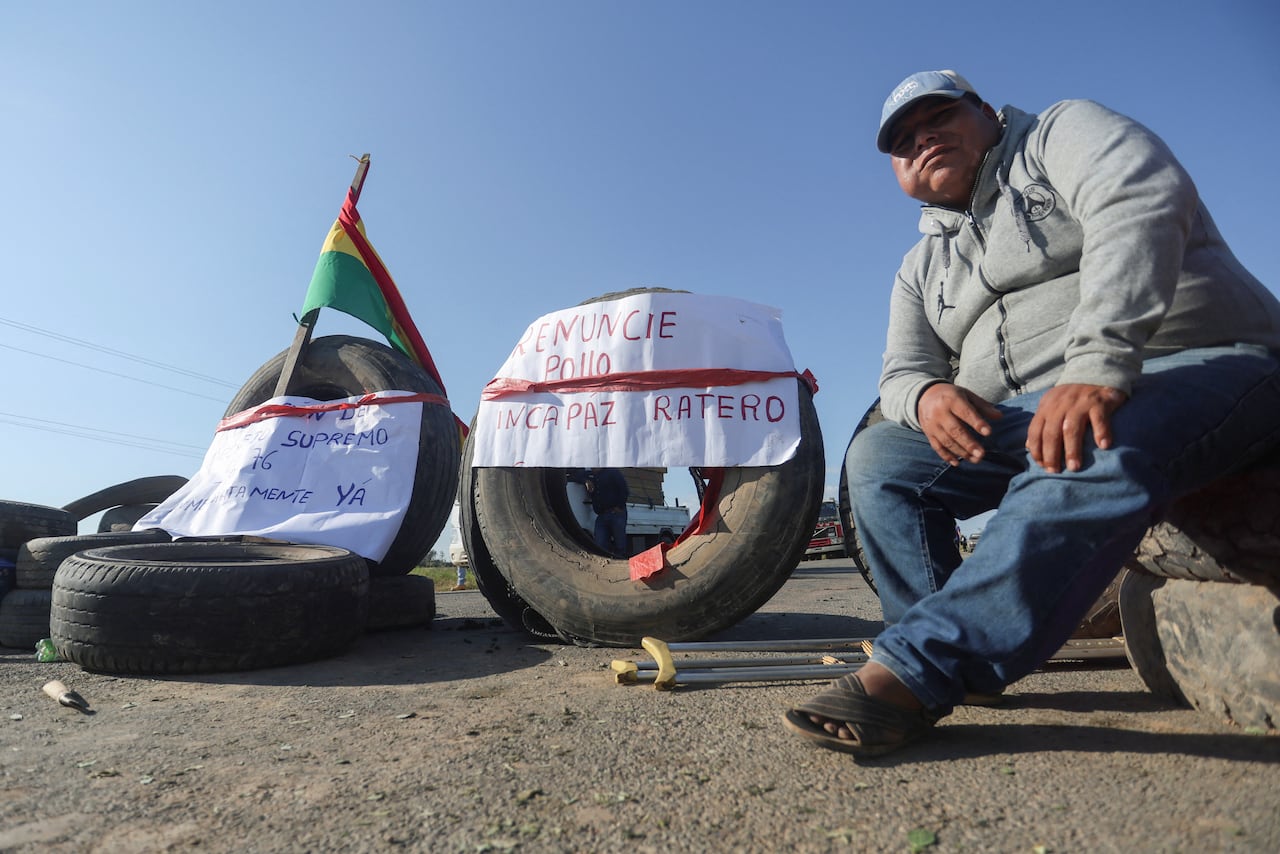
A member of a collective of farm workers sits at a road blockade in Cuatro Cañadas, Bolivia, on Sept. 2, demanding the repeal of a decree that increased diesel prices. (Ipa Ibanez/Reuters)
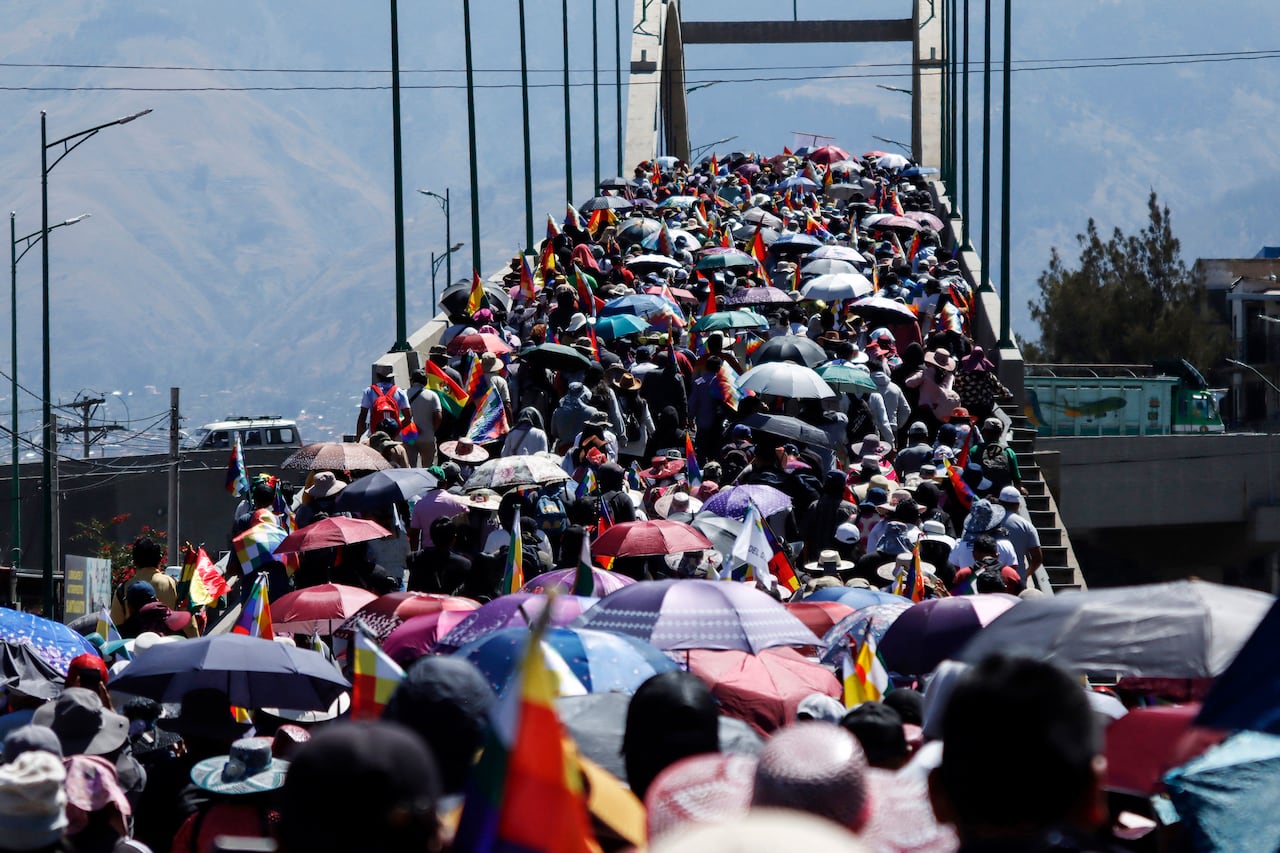
Coca growers from the Chapare region participate in a protest march against the economic and social policies of Bolivian President Rodrigo Paz’s administration, including the hike in diesel prices, in Cochabamba on Sept. 4. (David Flores/AFP/Getty Images)
Additionally, fuel-related protests have occurred in various other nations, including Portugal, the Philippines, and France.
On Tuesday, a group of fishermen obstructed an oil depot in the port of Fos-sur-Mer, France, protesting against rising fuel costs and worsening working conditions.
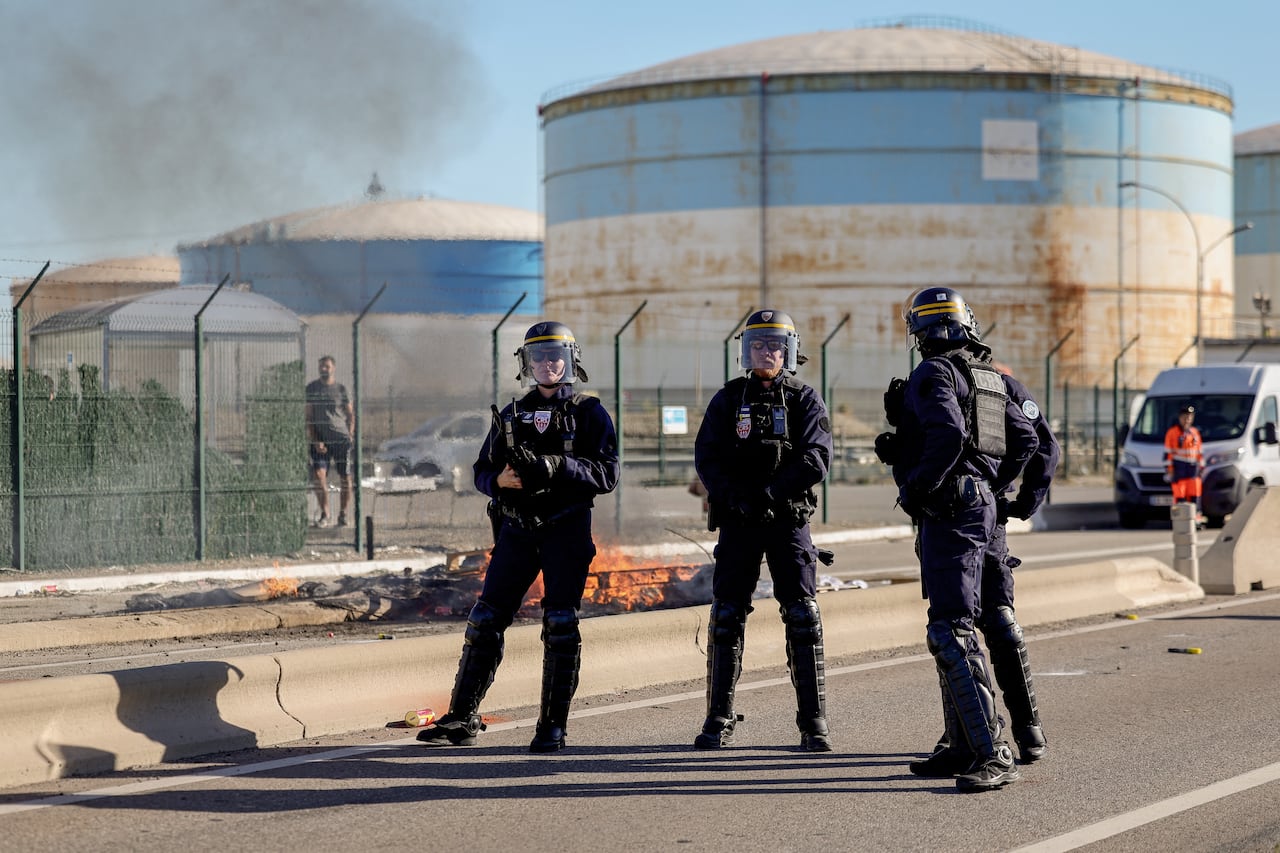
Riot police stand by a pallet fire after dispersing several dozen fishermen protesting in Fos-sur-Mer, France, on Sept. 15. (Clement Mahoudeau/AFP/Getty Images)