

A coalition representing multiple First Nations in British Columbia is urging the governments of Ottawa and Alberta to stop pushing forward with the West Coast pipeline project. The group argues that expanding the oil industry will hasten climate change and environmental disasters.
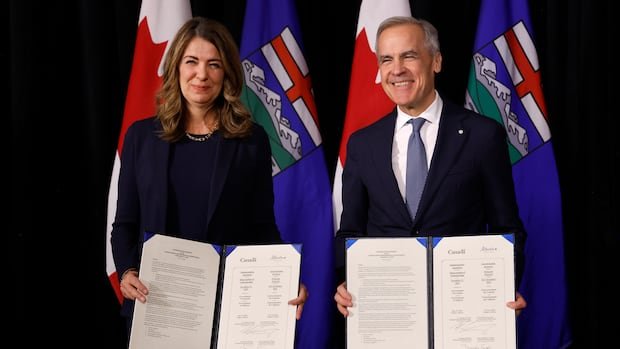
In a letter addressed to Prime Minister Mark Carney and Alberta Premier Danielle Smith, the Union of British Columbia Indian Chiefs expressed concerns about the far-reaching impacts of expanding fossil fuel production. They highlighted the current climate crisis, including catastrophic wildfires, destructive floods, and rising sea levels, as evidence of the urgent need to address climate change.
The plea from the Indigenous group coincided with the B.C. government declaring a state of emergency due to over 100 wildfires raging in the province, leading to the evacuation of nearly 25,000 individuals from two communities east of Vancouver. The Union of British Columbia Indian Chiefs emphasized that the lack of meaningful consultation with First Nations on the pipeline project goes against their rights and interests.
The Alberta government, however, defended the project, stating that it would bring long-term benefits to Indigenous communities and that consultations would continue as the project progresses. Both Prime Minister Carney and Premier Smith’s offices did not immediately respond to requests for comments.
The proposed 1,250-kilometre West Coast pipeline aims to transport over one million barrels of crude oil daily from Bruderheim, Alberta, to a port near Delta, British Columbia, for export to global markets. The project is led by the Alberta government and involves ownership by Trans Mountain, the Alberta Petroleum Marketing Commission, and Pembina Pipeline Corp.
Recent developments include Ottawa considering designating the project as of national interest, allowing for streamlined approval processes. The government is soliciting public feedback until mid-September on this designation. Additionally, Ottawa and Alberta have linked the pipeline project to a carbon storage initiative called Pathways, which aims to offset emissions from increased oil production.
Despite government support for the project under the Major Projects Office, critics argue that the emissions resulting from increased oil production facilitated by the pipeline would outweigh the benefits of the Pathways carbon capture project. The Building Canada Act provides the regulatory framework for such projects, aligning with the government’s objectives of enhancing national interests, economic growth, Indigenous engagement, and climate action.
Various other projects have been advanced under the Building Canada Act, including infrastructure developments in Nunavut, the Northwest Territories, and northern Ontario. These initiatives aim to bolster Canada’s autonomy, foster economic prosperity, and address environmental challenges in a rapidly evolving global context.