
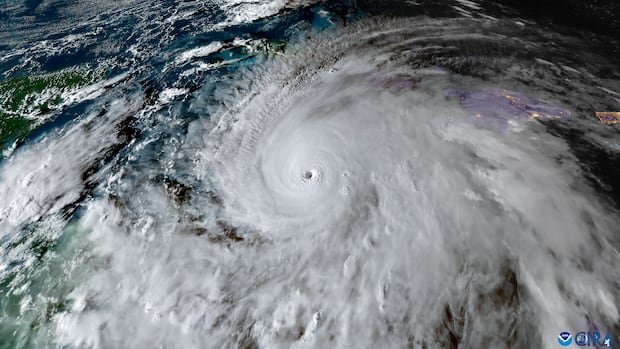

As of the present moment, the Atlantic hurricane season has seen only six named storms, with most of them being short-lived. The question arises – why the lack of hurricane activity? The answer seems to lie with the phenomenon known as El Niño, according to Phil Klotzbach, a senior research scientist at Colorado State University.
El Niño, a significant climatic event, is currently exerting a strong influence on the Atlantic hurricane activity. It is part of the natural climate cycle referred to as the El Niño-Southern Oscillation (ENSO), impacting both oceanic temperatures and atmospheric conditions.
The ongoing “super” El Niño is causing a suppression of hurricane formation in the Atlantic. When the sea surface temperatures in the Pacific rise above a certain threshold, it triggers atmospheric changes that disrupt the typical structure of hurricanes, as explained by meteorologist Lindsey Long from the U.S. National Oceanic and Atmospheric Administration (NOAA).
Forecasts indicate that the current El Niño event could be historically significant, with a high likelihood of exceeding previous temperature anomalies. This exceptional El Niño scenario is expected to persist, affecting global weather patterns.
While the Atlantic hurricane season has been notably quiet, with predictions suggesting a below-average season, there is still a possibility of hurricane formation in regions like the Gulf of Mexico. The presence of El Niño has dampened Atlantic hurricane activity but has led to increased hurricane occurrences in the Pacific Ocean.
Despite the subdued hurricane season in the Atlantic, some short-lived tropical storms have impacted communities in the Gulf of Mexico. The El Niño event is projected to reach its peak towards the end of the year, with implications for the upcoming hurricane season in 2027 remaining uncertain.
In summary, the current quiet Atlantic hurricane season can be largely attributed to the powerful El Niño event, which has disrupted the normal hurricane formation processes. While the impact is evident in the Atlantic, heightened hurricane activity is observed in the Pacific, underscoring the far-reaching influence of El Niño on global weather patterns.