
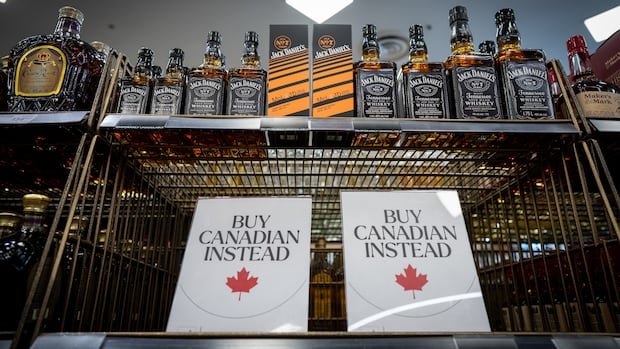

The NSLC reported having approximately $1.5 million worth of American alcohol in stock, which represents only 10% of the original inventory since removing U.S. products from shelves. During the first quarter from April to June, sales of American booze amounted to over $1.8 million. As of August 17, the NSLC confirmed about $1.5 million worth of American stock remaining, indicating that 90% of the U.S. alcohol inventory has been sold, with no intentions to restock.
The NSLC ceased purchasing American alcohol in January 2025 and removed it from shelves in March 2025 as part of Canada’s response to the trade war with the U.S. The retail value of the alcohol removed was $14,896,652, equating to over 600,000 units of product. In December, the NSLC resumed selling the warehoused American alcohol, with proceeds benefiting community food groups.
Grants totaling $5.3 million were distributed to 315 organizations in April as a result of these sales, ranging from $1,000 to $350,000 per group. The NSLC confirmed that proceeds from American product sales continue to support food security initiatives. Availability of American alcohol products varies across Canada, with some provinces like Nova Scotia falling in between full availability and unavailability.
The decision of Crown-run alcohol retailers not to purchase American booze has negatively impacted the U.S. alcohol industry and become a significant trade issue. Chris Swonger, President and CEO of the Distilled Spirits Council of the United States, expressed concerns about the impact of the boycott on their industry. Global American exports declined by 3.8% in 2025, mainly due to the boycott in many Canadian provinces.
Brown-Forman, the parent company of Jack Daniel’s whisky and Woodford Reserve bourbon, reported a 62% drop in sales to Canada during its first fiscal quarter last year. In Nova Scotia, American alcohol products are those made in the U.S., leading to the availability of certain brands like Budweiser and Coors brewed in Canada. Products like Southern Comfort, produced in Montreal, remain on NSLC shelves.
The ongoing sales of American products continue to support food security initiatives in the region.