

At sunset, during a recent solar eclipse in northern France, numerous individuals gathered at a bus stop along a highway, many of them carrying bright orange life jackets. This group, consisting of women and young children, revealed that they had been camping in nearby woods for months, waiting for a favorable weather window to attempt crossing the English Channel on a boat. However, they mentioned facing challenges as police interventions and tear gas incidents hindered their efforts.
For years, the coastal region spanning 40 kilometers between Dunkirk and Calais has served as a transit point for migrants traversing Europe, with their numbers fluctuating due to various factors like conflicts, shifting migration paths, weather conditions, and European policies. Despite a decrease in overall crossings, recent trends show an increase in migrants boarding boats for longer and riskier journeys across the Channel. This surge coincides with heightened discussions on European migration, following a large influx of migrants storming the Spain-Morocco border in Ceuta in late July.
British politicians, including Nigel Farage from the Reform UK party, have raised concerns about migrants attempting the Channel crossing. Farage proposed using the Royal Navy to return boats to France, although former Navy officials questioned the feasibility of such an approach. British Prime Minister Andy Burnham, after visiting Dover on August 2, emphasized the need to address boat crossings while ensuring safer routes to combat migrant-smuggling activities.
The tightening control measures, with increased funding for French police operations, have transformed Calais into a quasi-permanent border zone. Authorities crack down on departures, dismantle informal settlements, and chase migrants across various locations, creating challenges for those seeking to cross the Channel. Despite a decrease in migrant crossings compared to the previous year, NGOs and citizen groups like Calais Appeal continue their support for migrants in the region, emphasizing that deterrence efforts do not deter individuals from attempting the perilous journey.
The evolving situation has seen larger groups of migrants embarking on boats, with recent incidents involving mega-dinghies carrying hundreds of individuals. The risks associated with these journeys remain high, as highlighted by rescue organizations and authorities overseeing Channel maritime operations. Smugglers have adapted by deploying new tactics, such as launching inflatable vessels from remote points to bypass surveillance and pick up passengers closer to shore.
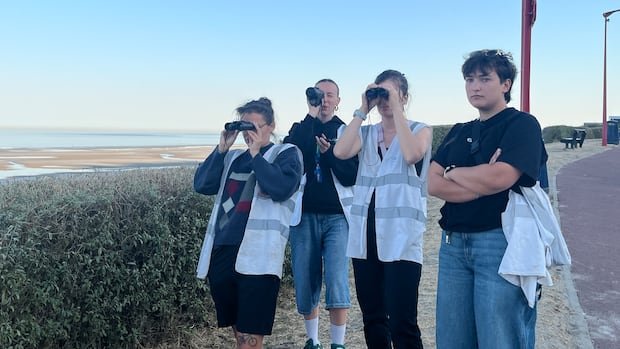
Humanitarian initiatives led by citizens and volunteers play a crucial role in supporting stranded migrants along the French coast. Groups like Utopia 56 provide assistance to migrants post-failed crossings, offering essential supplies and guidance. The reliance on such grassroots efforts underscores the gaps in official rescue operations and the need for enhanced support mechanisms.
Individual stories, like that of Mohammed, shed light on the complex motivations driving migrants to embark on risky journeys. Mohammed’s harrowing journey through multiple countries underscores the challenges faced by many migrants seeking safety and opportunities in destinations like the U.K. Despite the dangers and uncertainties, the allure of safety and better prospects continues to drive individuals like Mohammed forward.
Local officials, such as Mayor Stéphane Pinto of Ambleteuse, emphasize the importance of saving lives by preventing dangerous crossings. Reflecting on past tragedies and the human cost of migration, Pinto advocates for broader international cooperation and solutions to address the root causes of migration. The evolving migration dynamics underscore the pressing need for comprehensive and collaborative approaches to manage and address the ongoing challenges posed by migration flows.