
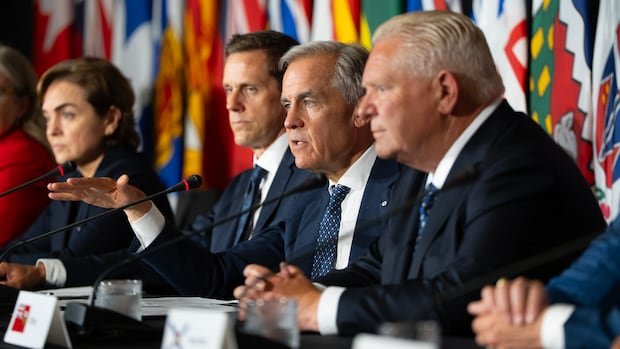

Canadian negotiators are concerned that new U.S. tariffs could be unavoidable starting Wednesday, with Ottawa facing challenges in securing relief from existing sectoral tariffs and convincing provinces to lift restrictions on American alcohol, according to sources familiar with the matter. Negotiations between Canada and the U.S. are ongoing, with Trade Minister Dominic LeBlanc meeting U.S. Trade Representative Jamieson Greer virtually for the third time in less than a week.
Ottawa’s recent focus has been on striking a “comprehensive agreement” with Washington, aiming to persuade the Trump administration to drop impending 50% tariffs on nearly $28 billion worth of Canadian goods and reduce existing sectoral tariffs on steel, aluminum, auto, and lumber industries. However, disagreements persist on various unresolved issues between the two countries, hindering the progress of negotiations.
To garner provincial support for an agreement, Ottawa must address concerns such as lifting bans on American alcohol sales. The Trump administration has made the resumption of U.S. alcohol sales in Canada a non-negotiable aspect of the talks. Provinces are hesitant to lift their alcohol bans without receiving tariff relief on their industries, potentially jeopardizing the finalization of a deal.
Provinces have been informed that Canada may need to make concessions on issues like provincial bans on U.S. alcohol, dairy import quotas, and retaliatory tariffs on U.S. autos to reach an agreement that could prevent the upcoming tariffs. However, provinces like Quebec and British Columbia have stood firm on key issues like dairy supply management and softwood lumber tariffs, respectively.
With the deadline approaching, it is crucial for provinces to align quickly, as the U.S. seems unwilling to extend the tariff implementation date. Ottawa emphasizes the importance of a unified approach among all levels of government in Canada to navigate the complexities of the trade negotiations effectively. Despite the ongoing challenges, both sides continue to engage in discussions to find common ground and avoid potential trade disruptions.