
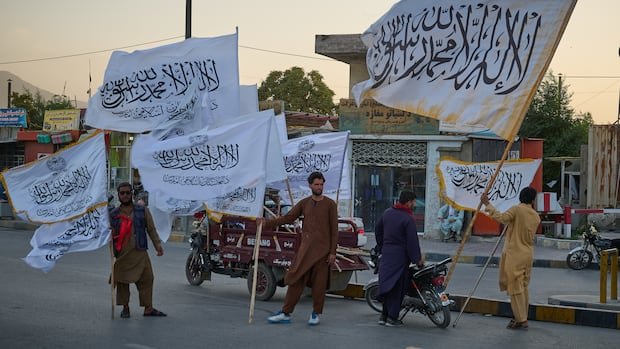

Five years ago, Abdul Razaq Khan, a former translator and fixer who assisted Canadian media during the Afghan conflict, received a late-night message from one of the journalists he had guided through Kandahar’s chaotic streets. Having relocated to Kabul after Canada’s withdrawal from Afghanistan for a job at USAID, Khan found himself grappling with the Taliban’s advance on Kabul in the summer of 2021.
The message inquired about his well-being, to which Khan responded, describing the situation as “doomsday.” Now settled in Canada, Khan reflects on the loss of his job, home, and country, struggling to comprehend the events leading to the rapid downfall of the western-backed government.
For Khan, leaving Afghanistan was a necessity, not a choice, as he fled on foot across the Pakistani border, narrowly evading Taliban gunfire when the insurgents seized control of Kabul. His association with Canadian media outlets, including The Canadian Press, CTV News, and Postmedia, had made him a target for reprisals.
The Taliban’s triumph led to the displacement of hundreds of thousands of Afghans and the imposition of a strict, authoritarian regime that marginalized women, suppressed free press, and enforced rigid moral codes through a dedicated ministry.
Despite efforts by some countries to provide refuge for high-risk Afghan women, such as judges, activists, journalists, and politicians, challenges remain. Organizations like Local Staff International and AfghanEvac highlighted the struggles faced by allied nations in evacuating and resettling vulnerable Afghans post-Taliban takeover.
In response to the crisis, Global Affairs Canada facilitated the entry of over 60,000 vulnerable Afghans, surpassing their initial target of 40,000. However, there are still many individuals at risk under the Taliban’s rule, prompting calls to expand resettlement programs to fulfill commitments made to those who supported American and NATO forces.
The ongoing situation underscores the need for continued efforts to honor promises made during this critical chapter of recent history.