

A rejuvenated forest may appear tall, vibrant, and verdant. Revived wetlands can be teeming with insects and alive with birds. However, upon closer examination, scientists are discovering that some of the tiniest inhabitants, such as certain mosses, lichens, algae, and fungi, are often still absent.
The restoration of ecosystems like forests and wetlands can aid in the preservation of declining species of animals and plants and facilitate their recovery. Yet, recent studies indicate that not all species return at the same pace. Some of the smallest, least conspicuous inhabitants may remain scarce or missing for decades, potentially impacting other species.
Ellen Macdonald, a botanist from the University of Alberta, has dedicated her career to studying forests, focusing not on the trees themselves, but on the minute flowers, mosses, liverworts, and lichens that thrive within these ecosystems. Macdonald emphasized the significant diversity of species present in these understory habitats compared to tree species.
While a regenerated forest post-logging may appear similar to an untouched one to the casual observer, Macdonald noted a distinct difference in the regrown coniferous boreal forests. She highlighted the importance of collecting data to truly discern what may be missing in these habitats.
Macdonald conducted a comprehensive study, combining her research with global data to examine the duration it takes for plants and animals to recolonize boreal forests following clearcutting. The research, recently published in the journal Nature Sustainability, revealed that birch and aspen forests and their inhabitants showed signs of recovery within 25 years, whereas conifer forests required a significantly longer period. In conifer forests, understory plants, particularly lichens, mosses, and liverworts, took 85 years or more to reestablish, with some species still not recovered after a century.
The delay in species return is not exclusive to boreal forests. Scientists studying wetlands and other restored habitats have observed similar scenarios where less visible species remain absent despite the overall appearance of health in these ecosystems.
Viktoria Wagner, an associate professor at the University of Alberta, described this decline as a “silent form of loss,” where species vanish from many areas they once inhabited, leading to a reduction in overall species richness at individual sites. She referred to this phenomenon as “dark diversity,” noting its prevalence among plants worldwide.
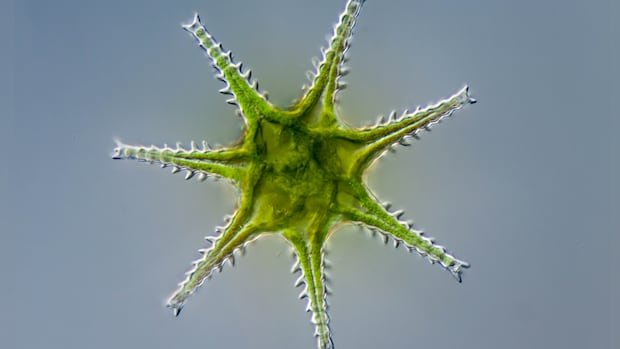
The absence of certain species may impede ecosystem recovery and have unseen repercussions. Algae, for instance, play a crucial role in global photosynthesis, impacting oxygen availability and food sources. Wagner emphasized the significance of species diversity in maintaining ecosystem functions and highlighted the potential cascading effects of declining biodiversity.
Recognizing these patterns can guide landscape management practices to preserve more species. Macdonald suggested that selective harvesting or partial cutting in conifer forests could help maintain important understory species that require shade and old growth trees for habitat.
Algae habitats are also facing threats worldwide, endangering the diverse species that inhabit them. Michael Melkonian, a German botanist, has been working diligently to collect and preserve algae strains, creating what he calls an “algal zoo” to safeguard these vital organisms.
The ongoing loss of species underscores the necessity of proactive conservation efforts to sustain biodiversity across landscapes. Preserving isolated pockets of habitat is insufficient; instead, maintaining and restoring sufficient habitat for species to thrive throughout the environment is crucial.
In conclusion, the preservation of biodiversity requires continuous and active interventions to counteract ongoing species loss and ensure the persistence of diverse ecosystems.
This article is part of a series highlighting the research efforts of scientists studying imperiled species groups and their impact on our environment, providing insights into their significance and the measures needed to safeguard their existence.