
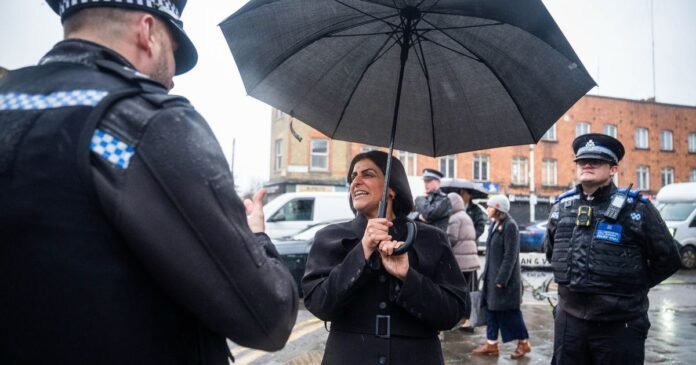

Police will receive directives to reach crime scenes within 15 minutes in urban areas and within 20 minutes in rural locations to reduce prolonged waiting times for victims. Home Secretary Shabana Mahmood aims to address unacceptable delays that often lead to perpetrators and witnesses fleeing before officers arrive at the scene. Additionally, police forces will be mandated to answer emergency calls within 10 seconds as part of a comprehensive policing strategy introduced today.
Specialized teams will be deployed to struggling police forces to enhance performance when response time targets are not met. The current system lacks uniformity in collecting response time data, and there is limited accountability for missing targets.
This initiative comes in response to a surge in offenses such as theft, drug trafficking, phone snatching, and disruptive behavior that negatively impact communities. Incidents like shoplifting have increased by 72% since 2010, with street theft rising by 58%, according to data from the Home Office.
Shabana Mahmood emphasized the importance of addressing rising everyday crimes nationwide and ensuring swift police responses to reports. She pledged to reinforce community policing efforts and bolster patrols to apprehend criminals and reduce criminal activities.
John Hayward-Cripps, Chief Executive of Neighbourhood Watch, highlighted how delayed police responses have eroded public trust in law enforcement. He stressed the necessity for national standards and adequate resources to improve response times and restore confidence in policing.
James Lowman, Chief Executive of the Association of Convenience Stores, emphasized the need for thorough investigations and swift actions against repeat offenders to enhance community safety. The proposed measures, along with upcoming changes in the Crime and Policing Bill, aim to strengthen neighborhood policing and enhance the apprehension of repeat offenders.
This reform is part of a comprehensive restructuring plan for policing, described as the most significant overhaul in decades. It is expected to involve reducing the number of police forces in England and Wales and implementing an online dashboard for forces to display their performance metrics, including response times and crime resolution rates.
Shabana Mahmood will gain new authority to deploy specialized teams to revamp underperforming forces and dismiss chief constables. These changes follow incidents like the retirement of West Midlands police chief Craig Guildford after displaying inaccurate information to MPs, prompting the Home Secretary to express a lack of confidence in him.
The policing white paper, set to be unveiled today, is anticipated to introduce measures to enhance police vetting processes. Strict criteria will bar recruits with records related to violence against women, and protocols for suspending officers accused of crimes will be strengthened.
To increase police presence on the streets, bureaucratic barriers restricting officers to desk duties will be removed. Moreover, a designated, accessible officer will be assigned to each council ward, expanding on the existing commitment to reinforce neighborhood policing efforts.